"People who are really serious about software should make their own hardware."
Repository
Hardware and Embedded
Design and UI/UX
AR/VR and Digital Twin
Media
Software and Tools
Hardware and Embedded
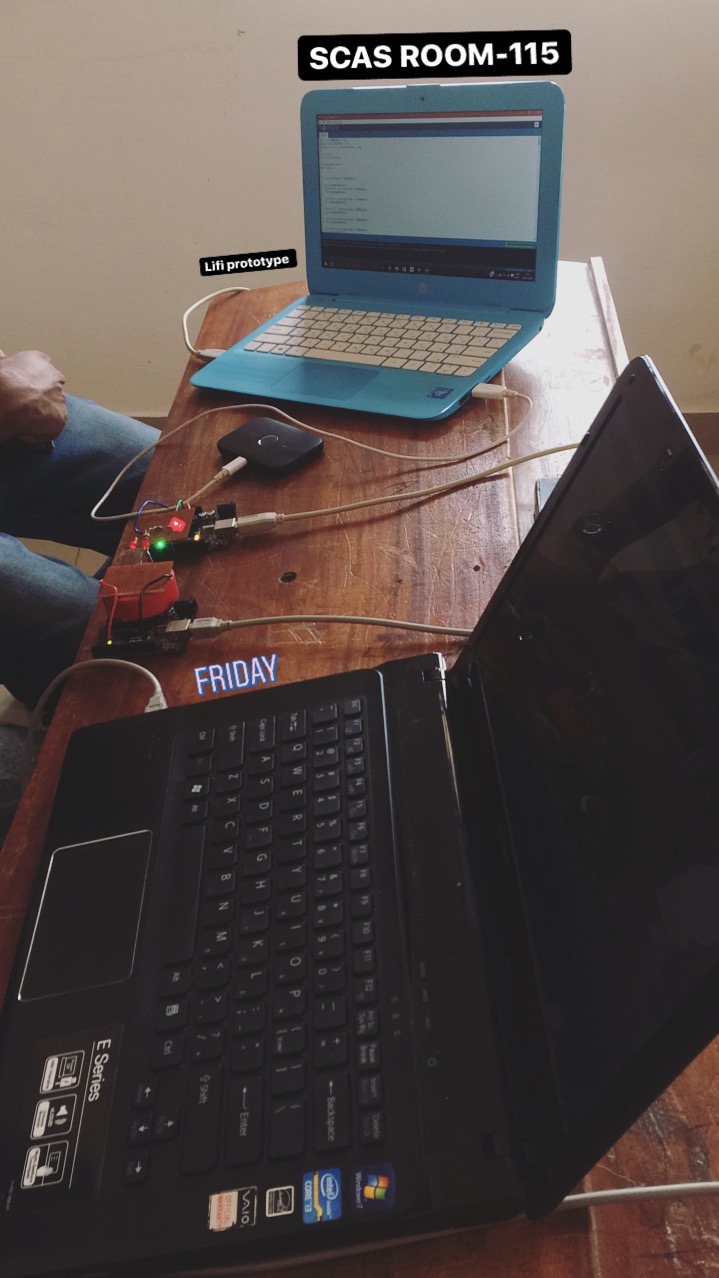
Li-Fi (Light Fidelity)
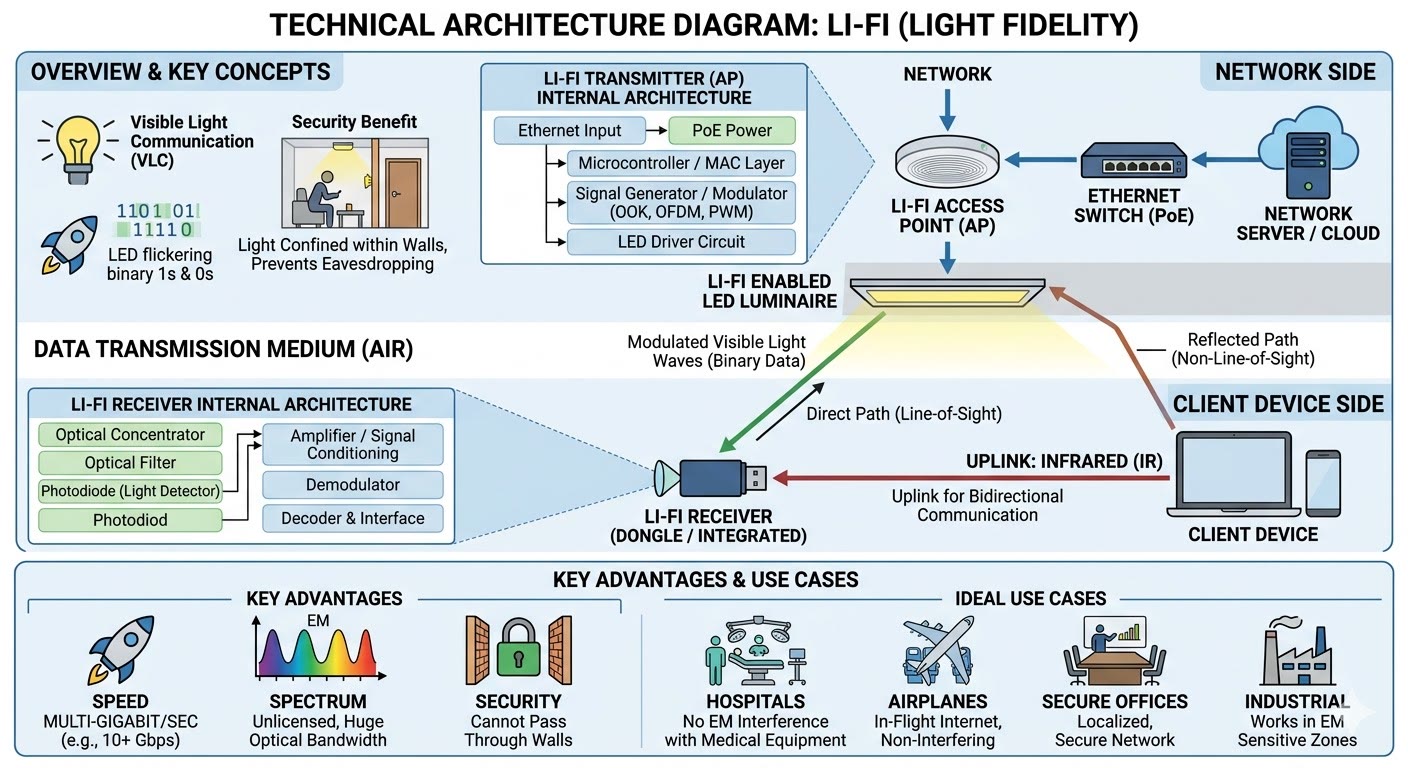
Li-Fi is a wireless communication technology that uses LED light instead of radio waves to transmit data. It offers much faster speeds than Wi-Fi, improved security since light cannot pass through walls, and is useful in environments like hospitals and airplanes.
SerialPilot
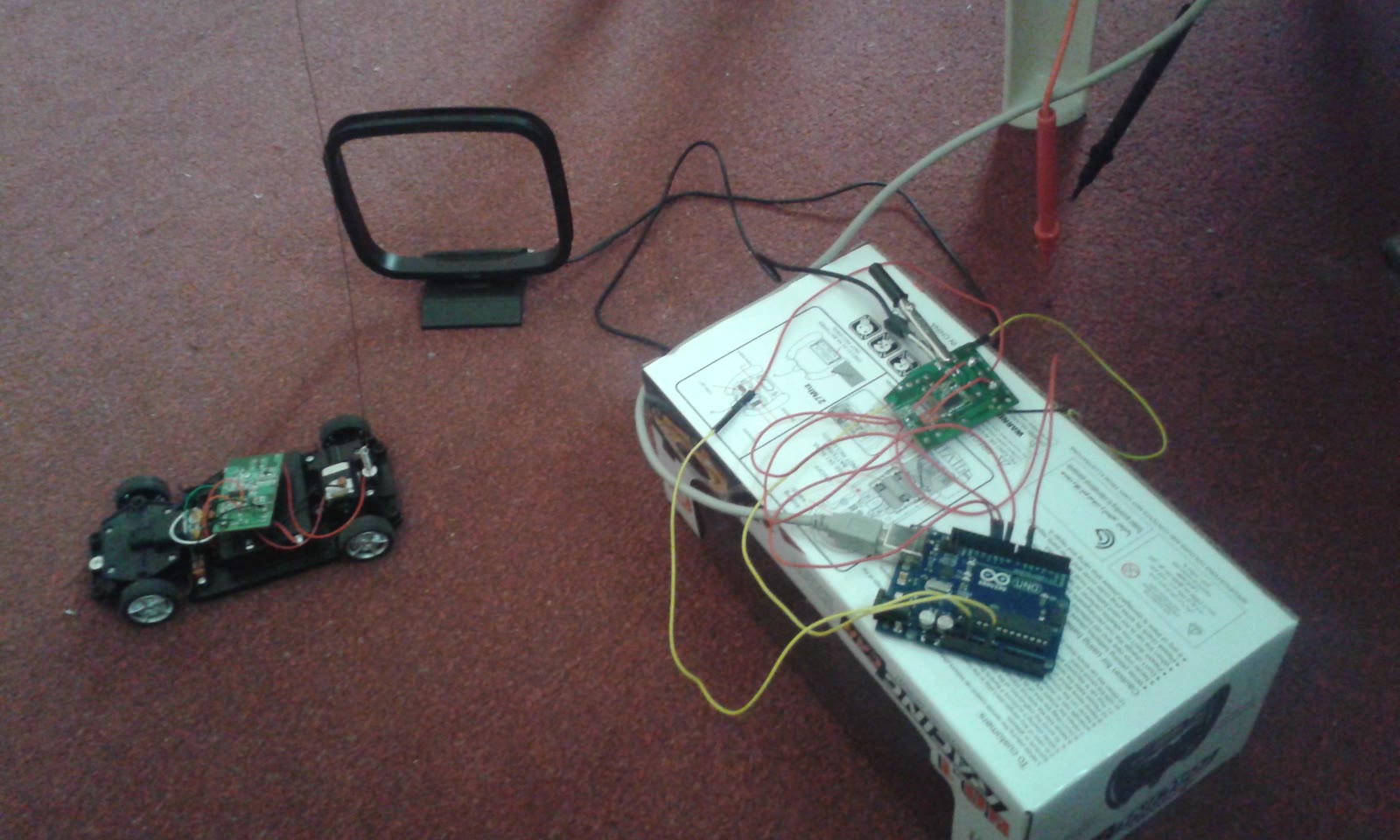
SerialPilot is an RC vehicle controlled through a serial interface. Commands are sent from a computer or microcontroller to steer and manage the vehicle over UART.
DualSense2Serial
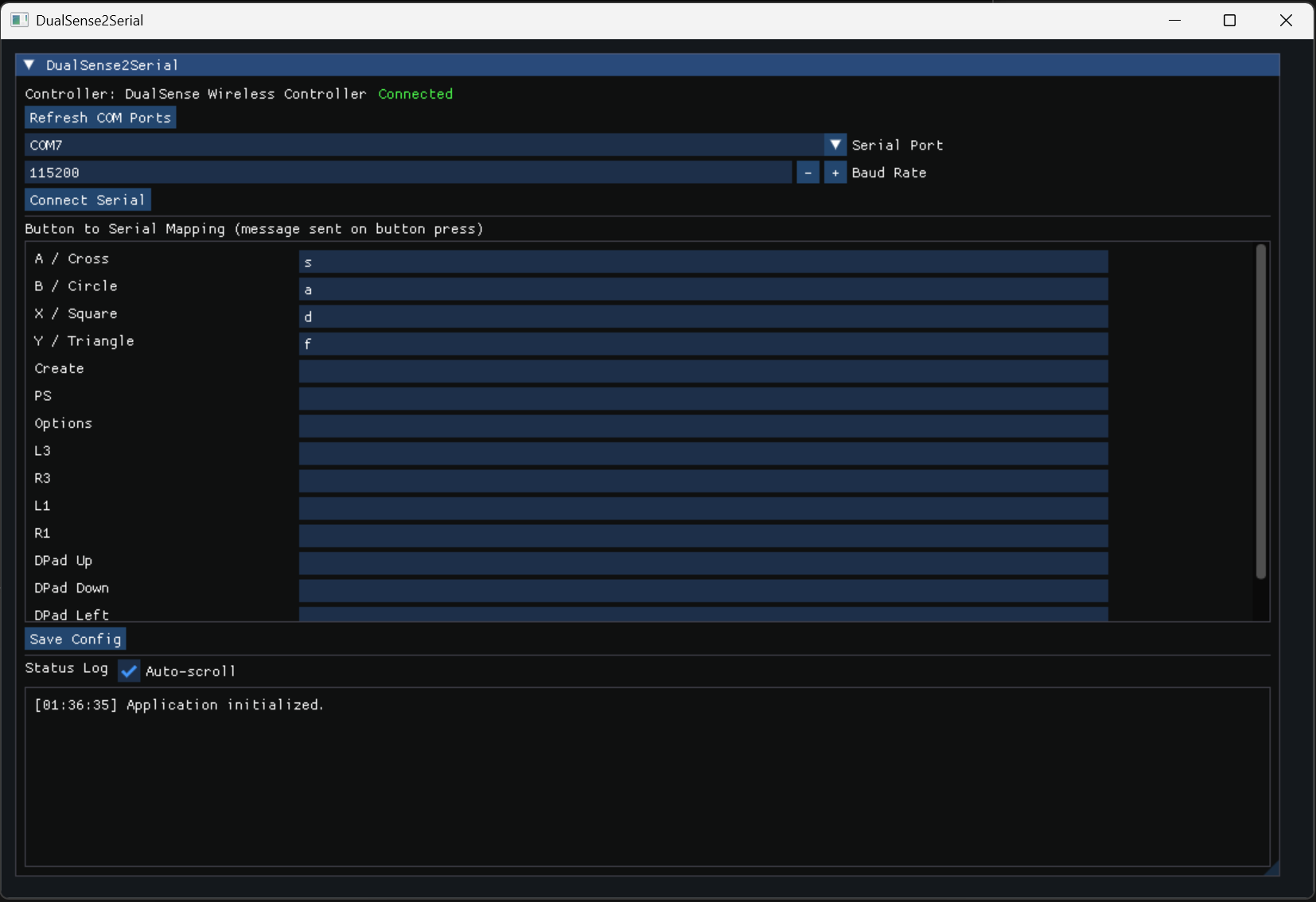
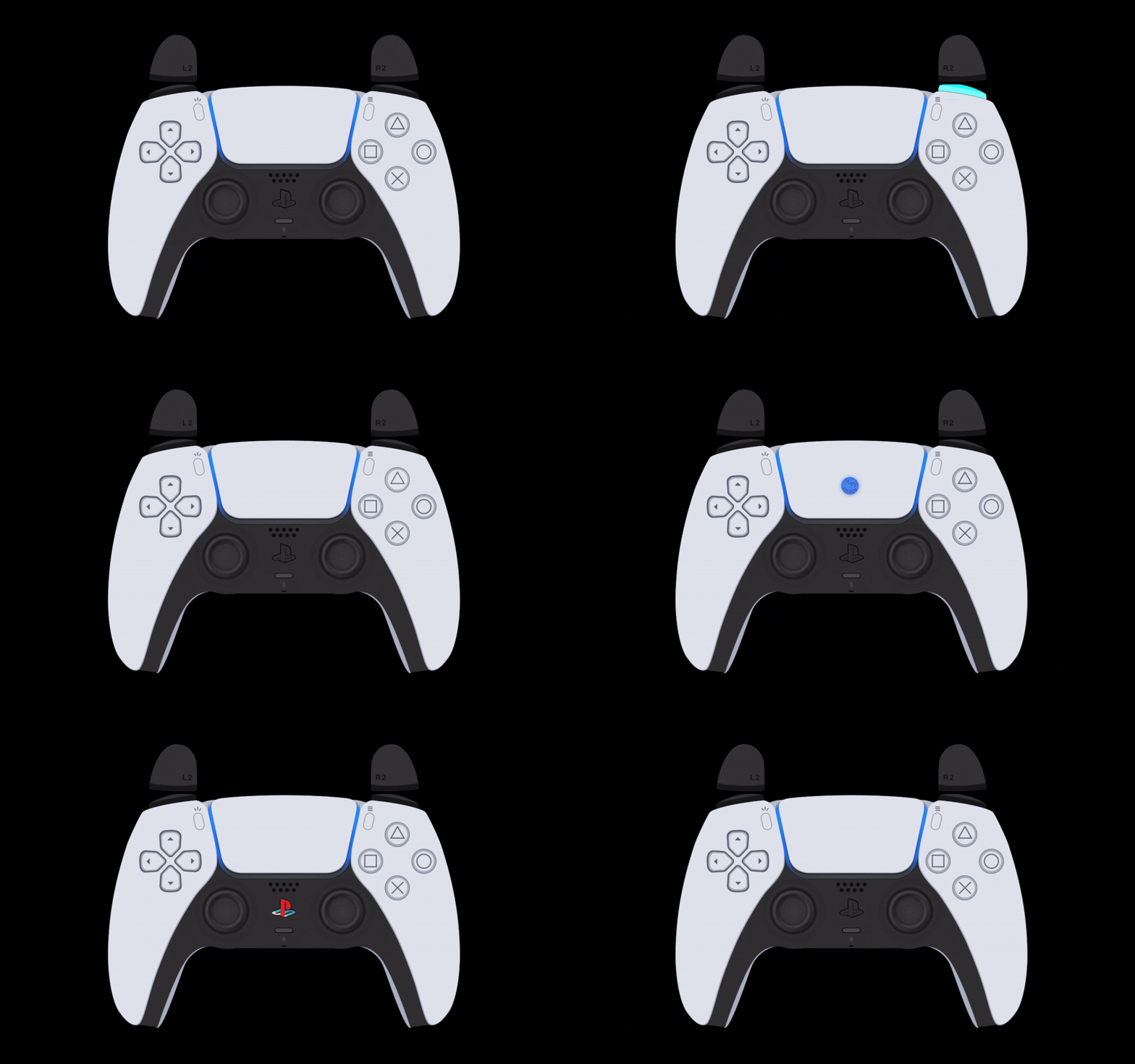
DualSense2Serial is a bridge that converts input data from the Sony DualSense Wireless Controller into serial communication, allowing microcontrollers, robots, and custom hardware to be controlled using a PlayStation 5 controller.
PS5 DualSense Controller Visualizer
Real-time, web-based PS5 DualSense controller visualizer that shows button presses, sticks, triggers, and touchpad input on screen. Perfect for adding a live controller overlay to your stream via OBS (browser source).
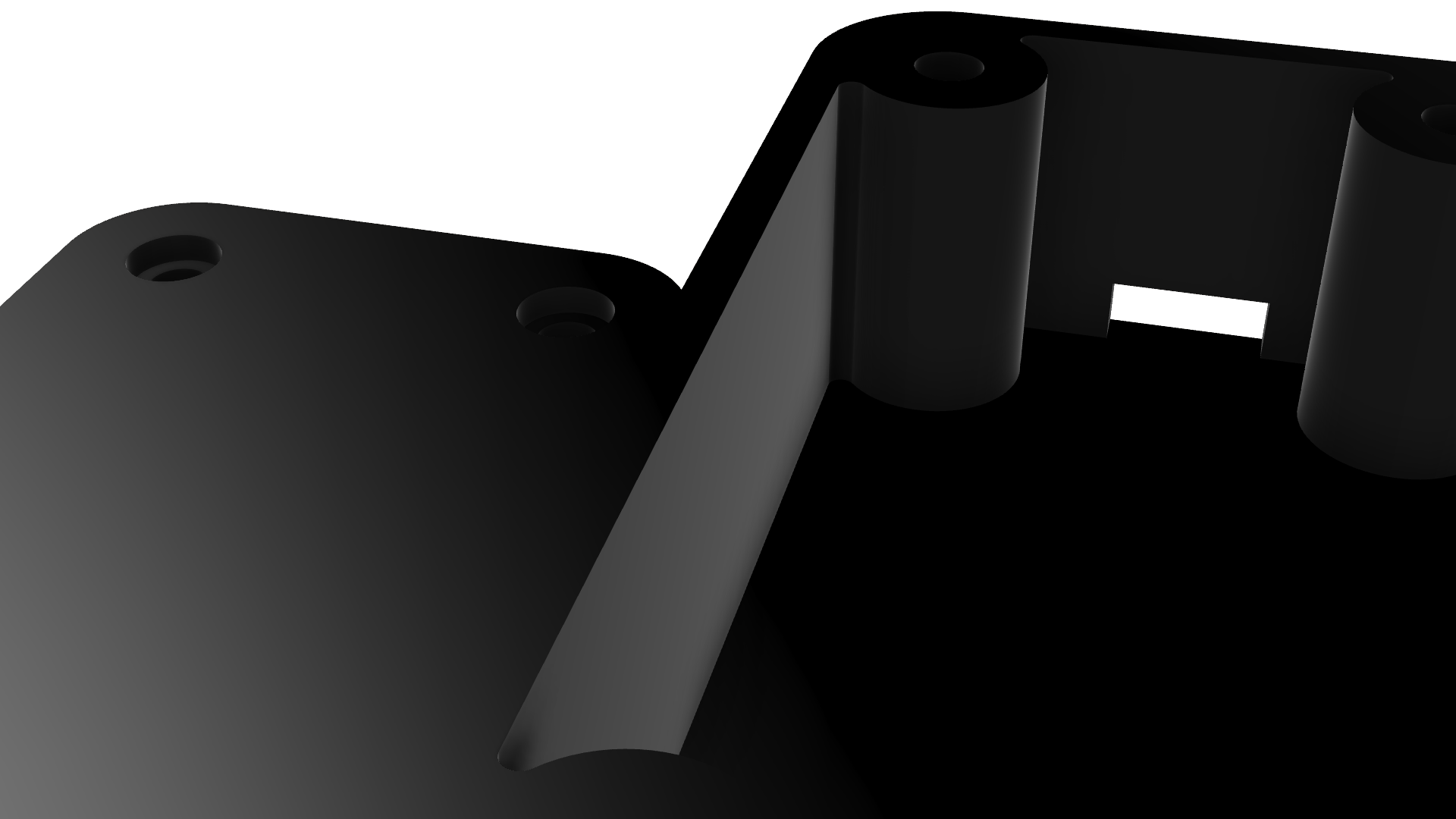
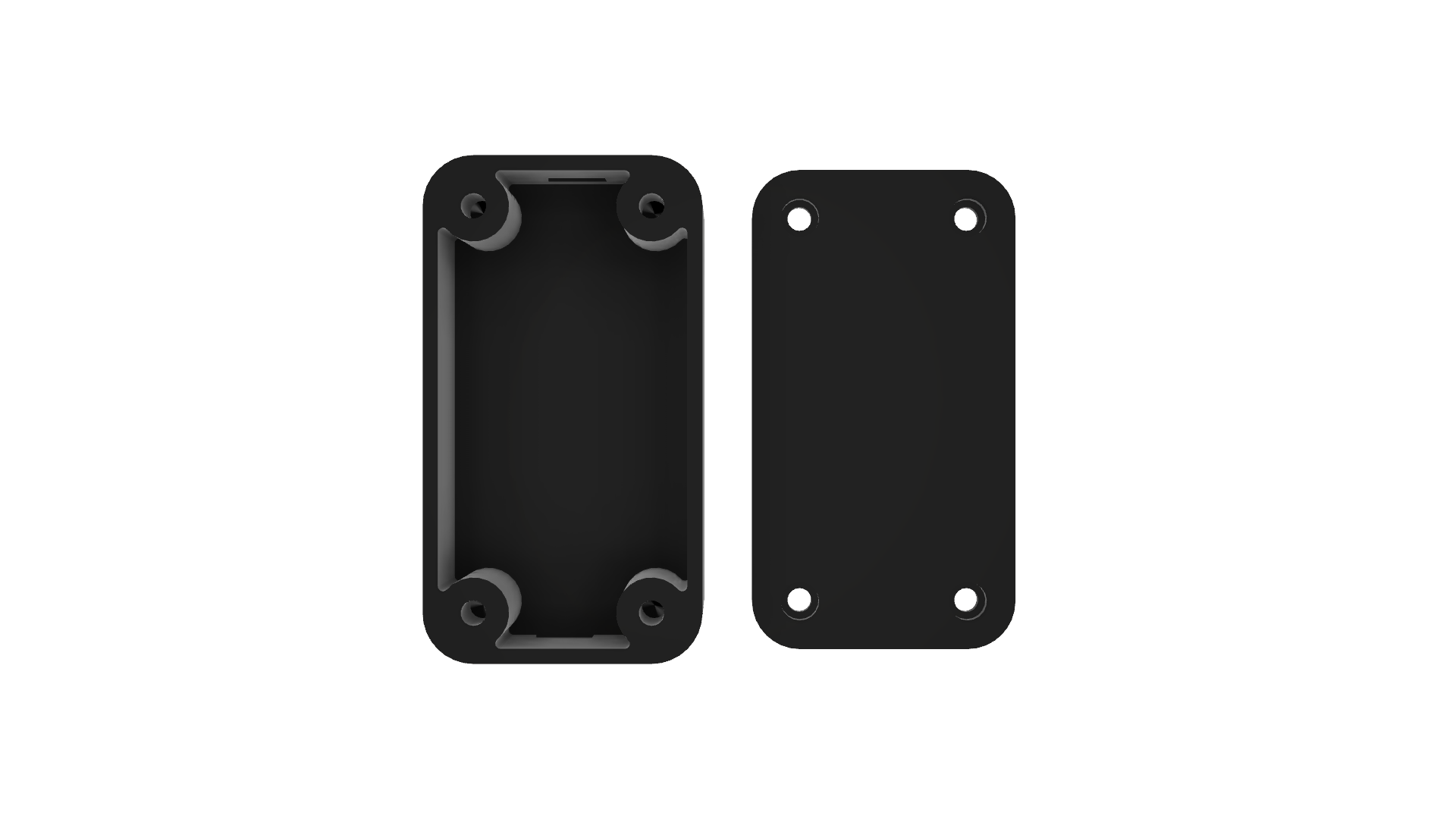
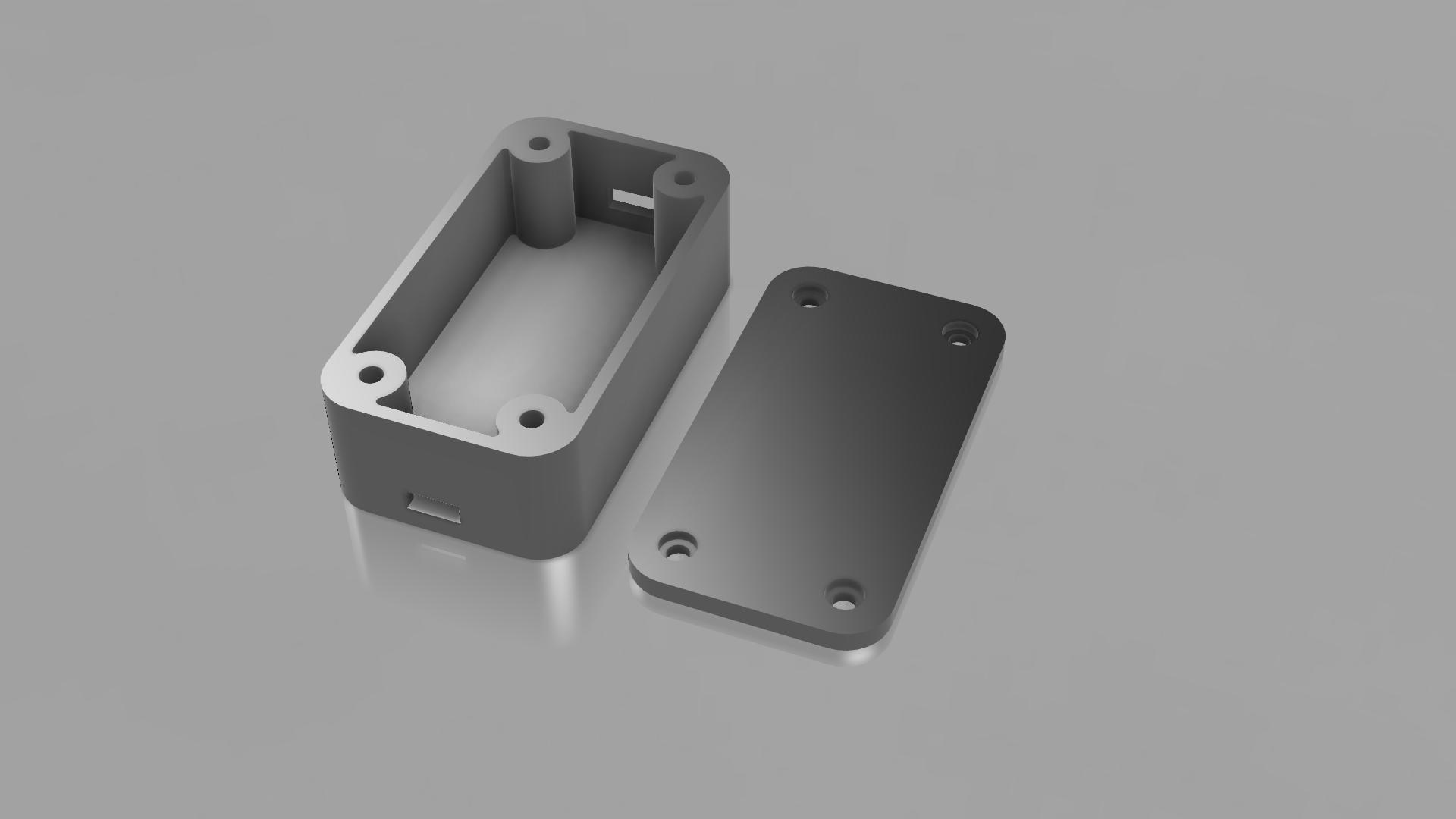
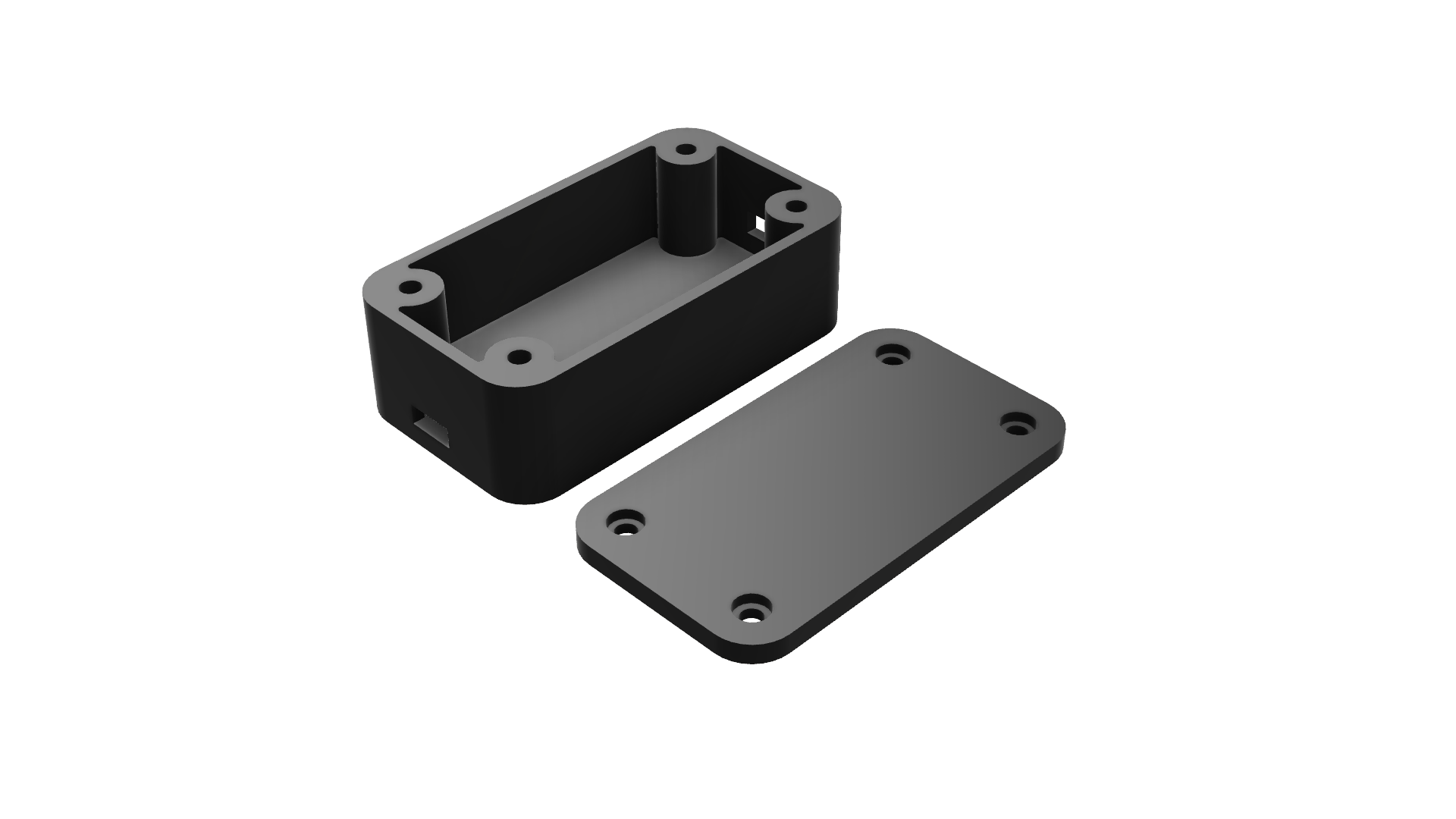
IR Module v1
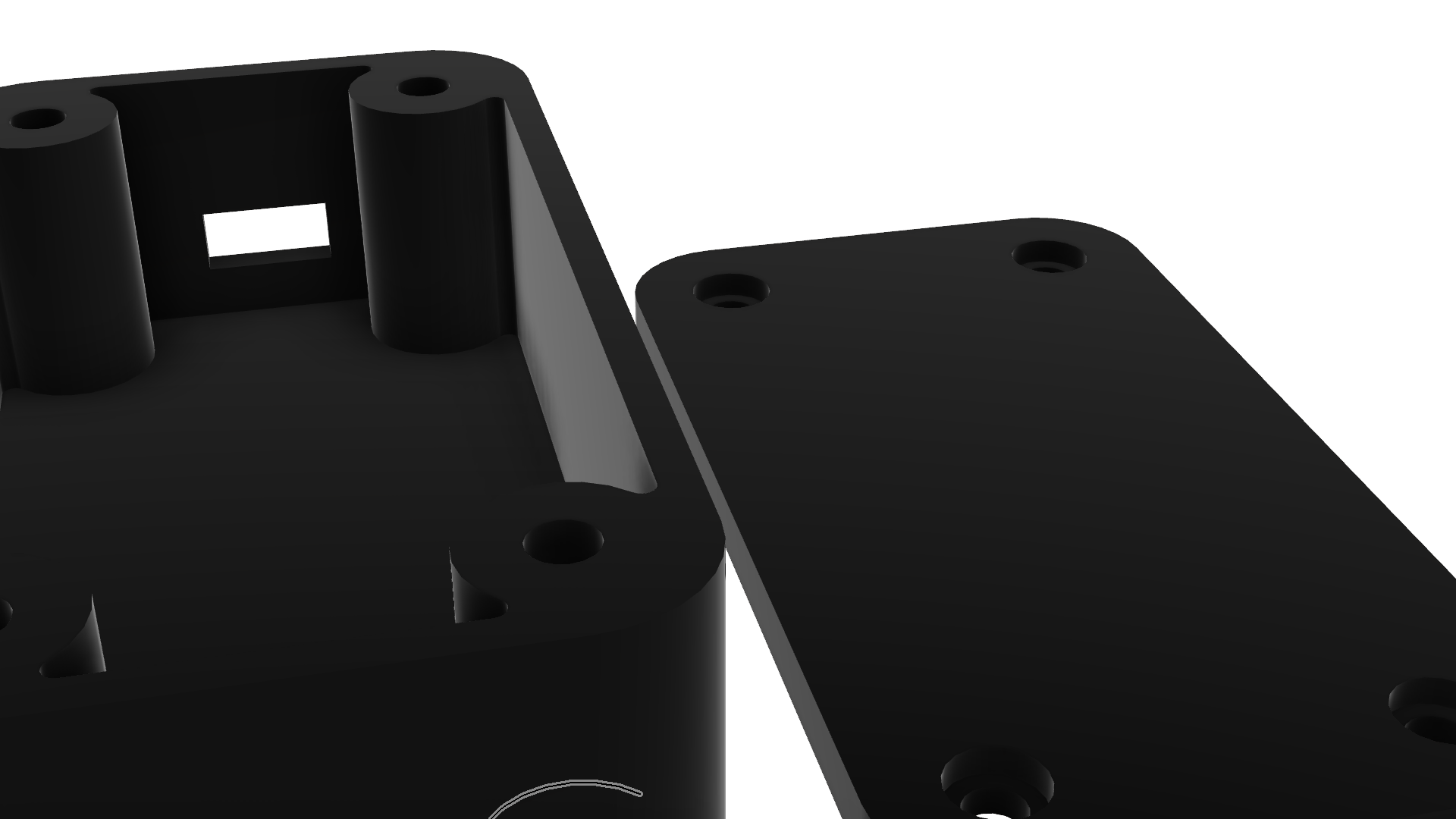
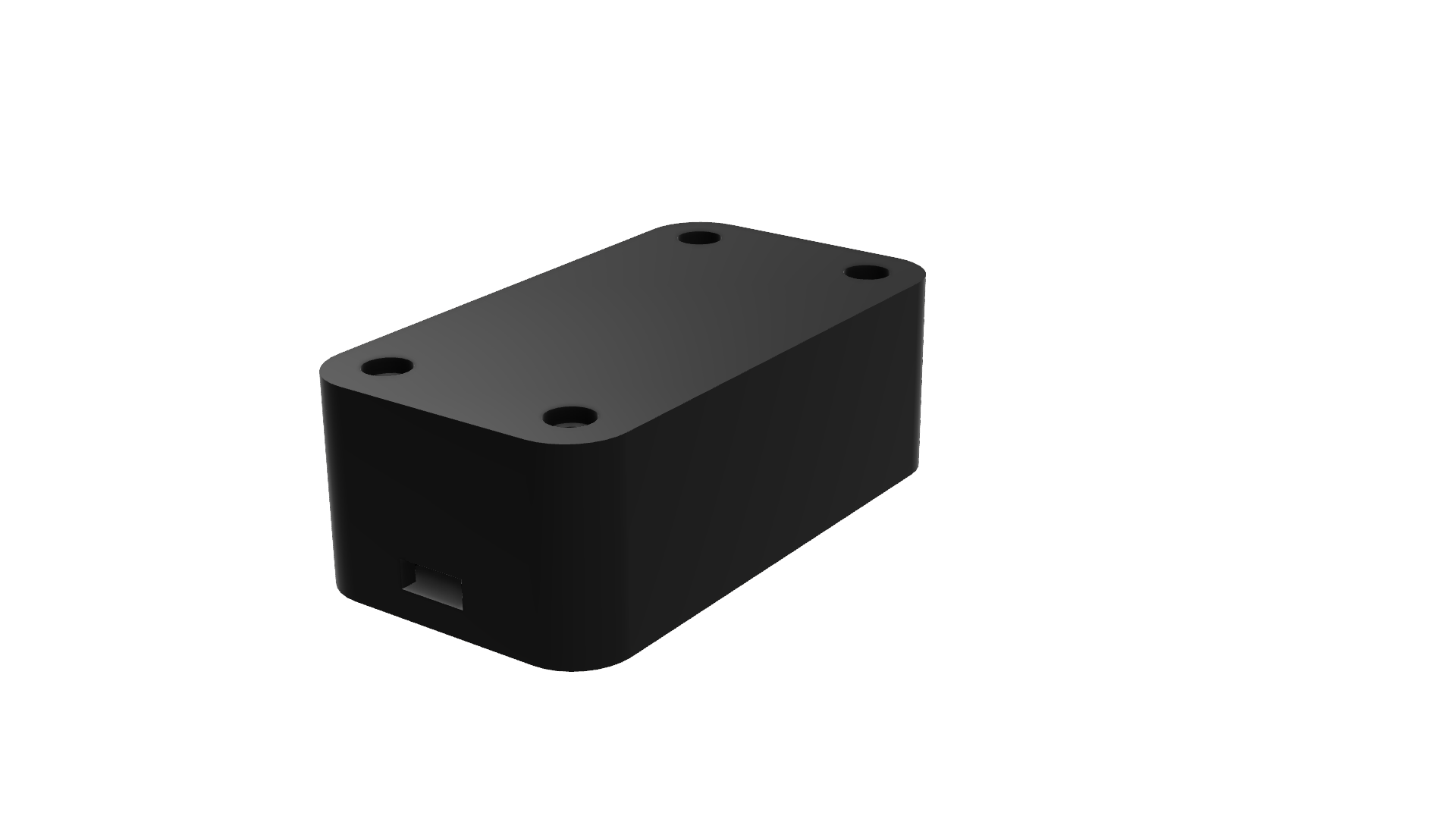
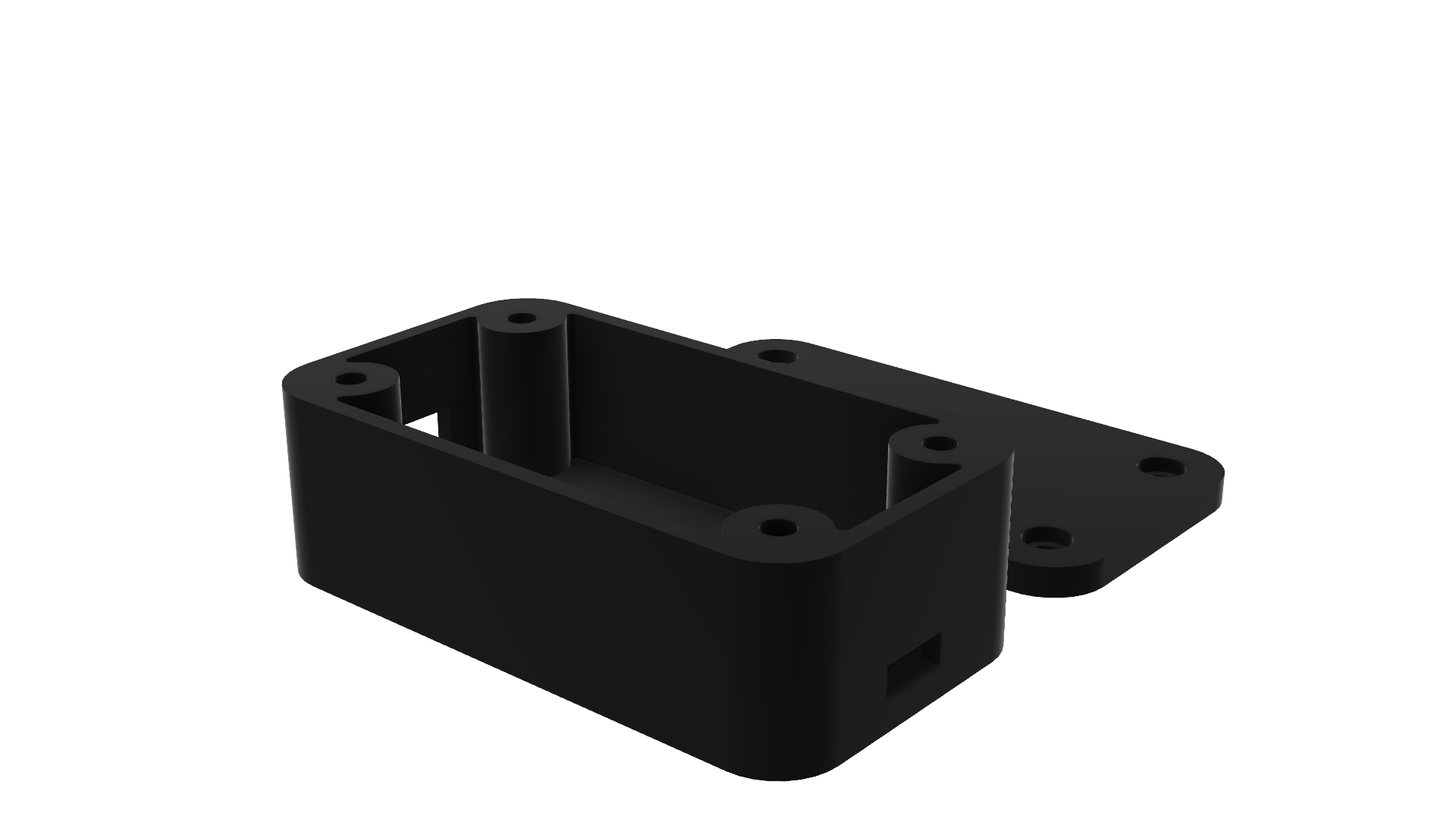
CAD concept and render set for an infrared module prototype.
Design and UI/UX
Logo Design (Elixtra)
The Elixtra logo was designed in Adobe Illustrator to create a clean and adaptable identity for both digital and print use.




Price Comparison App UI Prototype
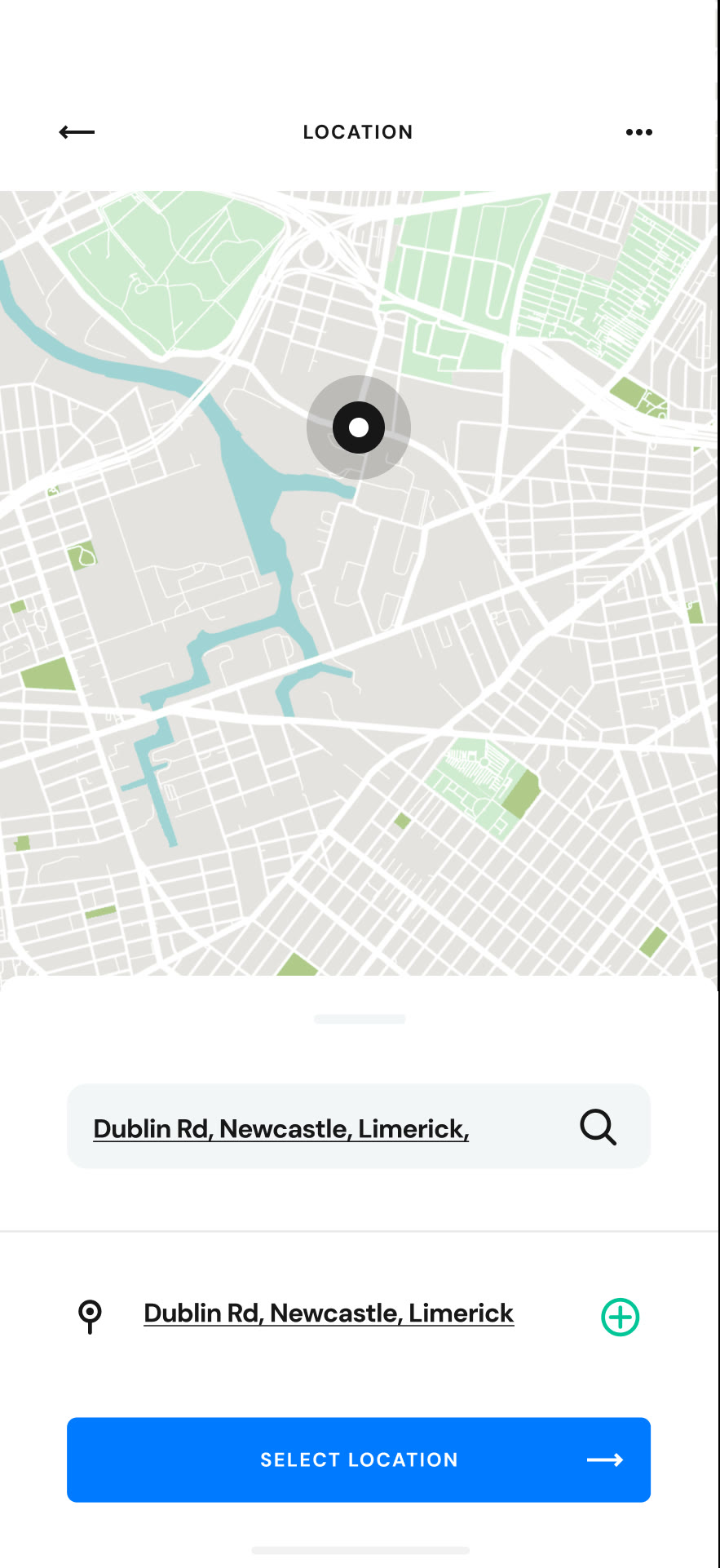
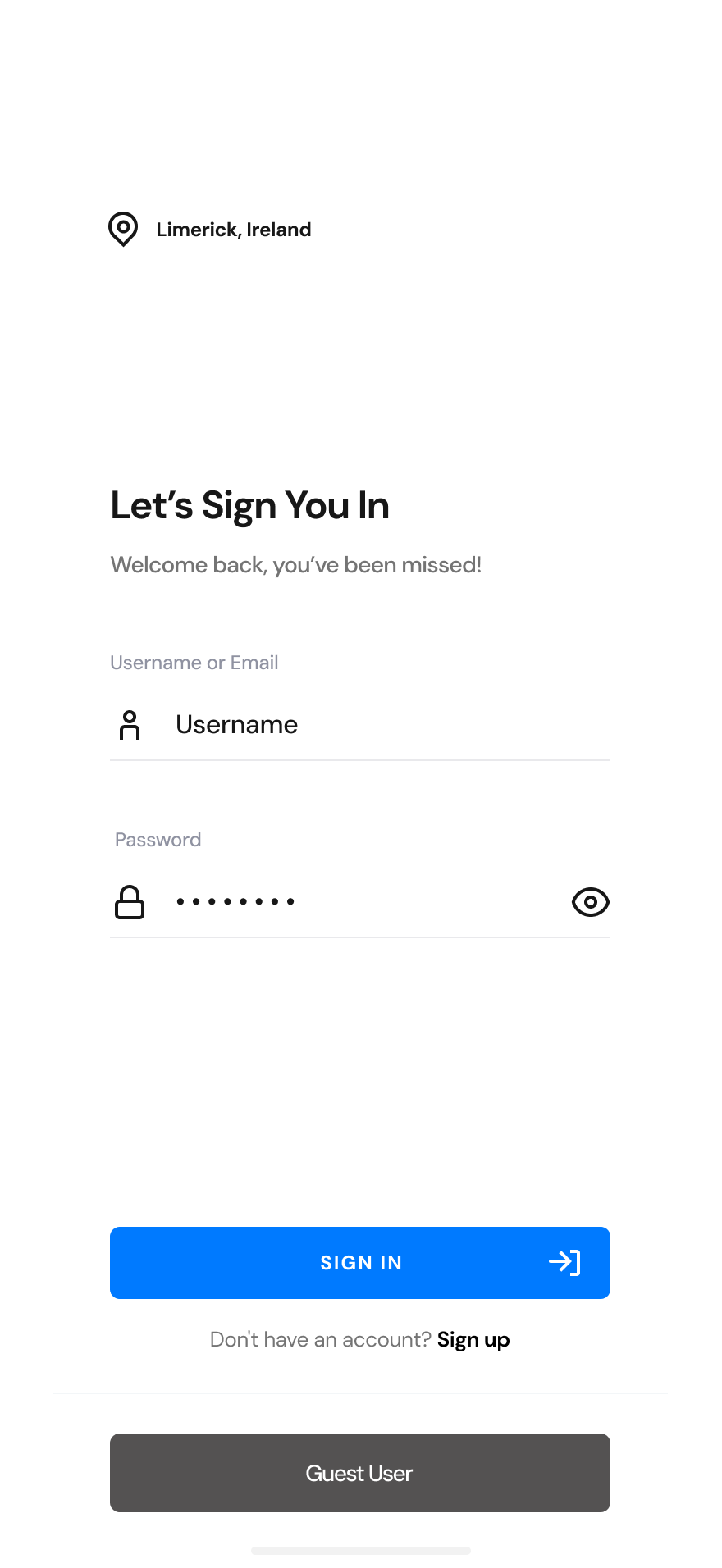
This prototype was developed as part of a master's project for comparing grocery prices across stores with clear navigation and quick comparison flows.
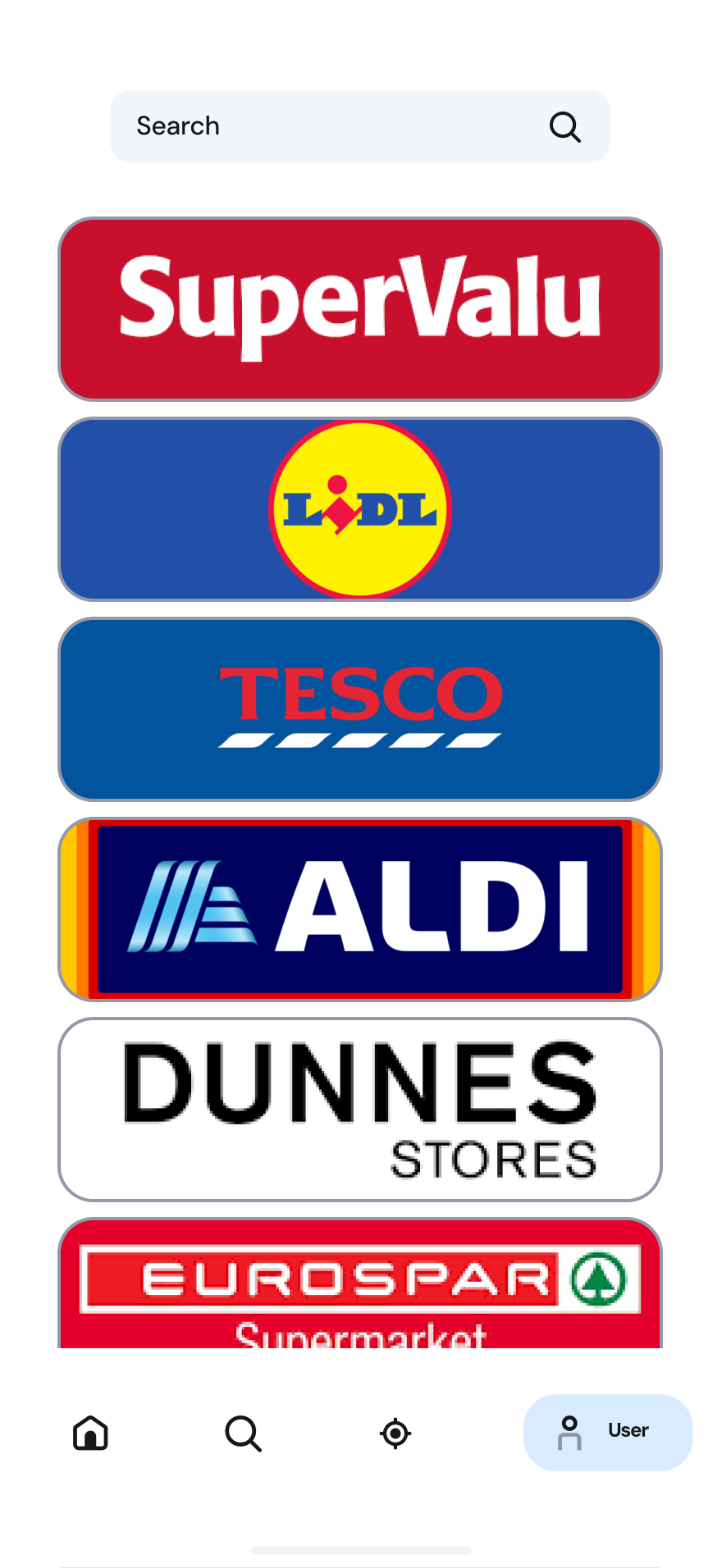
Product List: Displays items with prices from multiple stores.
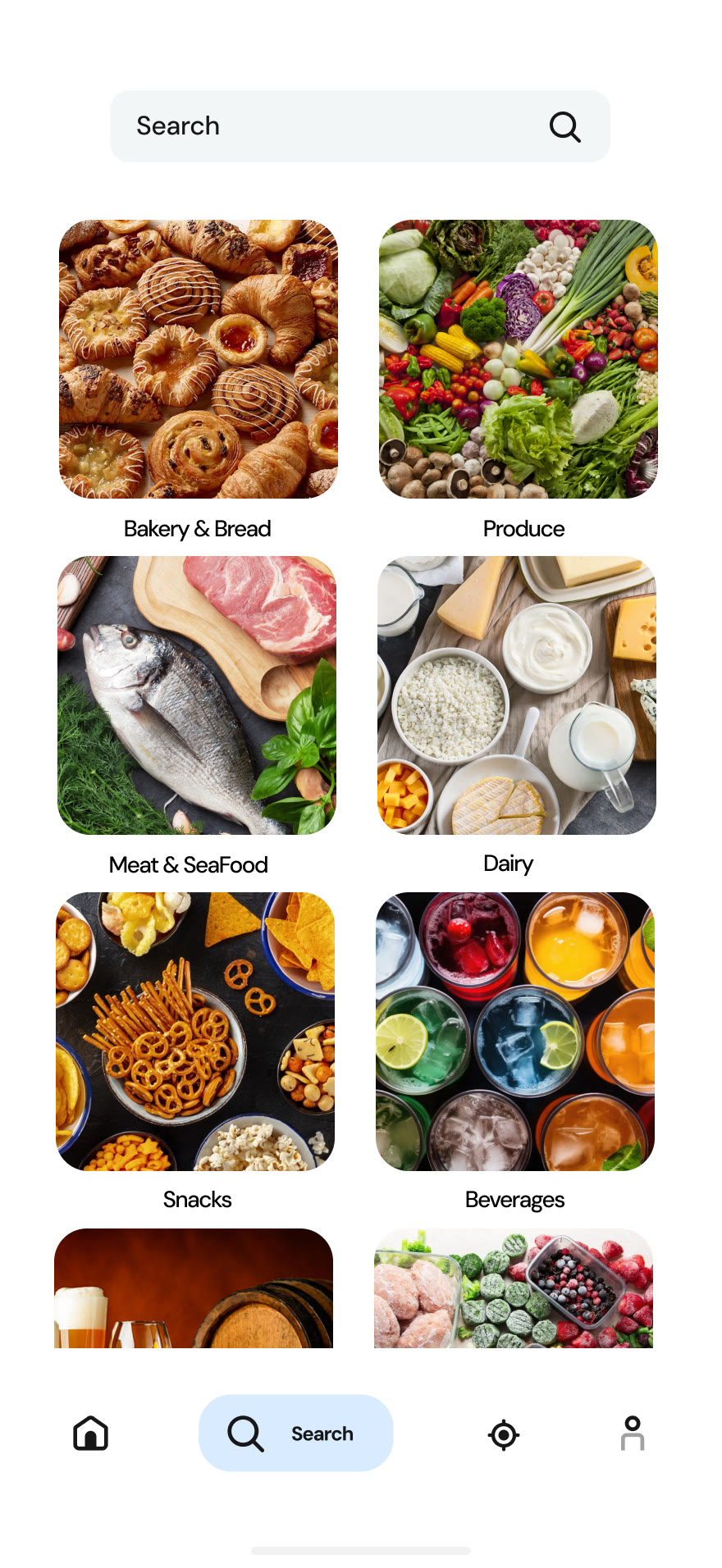
Store Selection: Lets users choose preferred stores.
Comparison View: Highlights savings across stores.
Cart: Shows total costs by store.
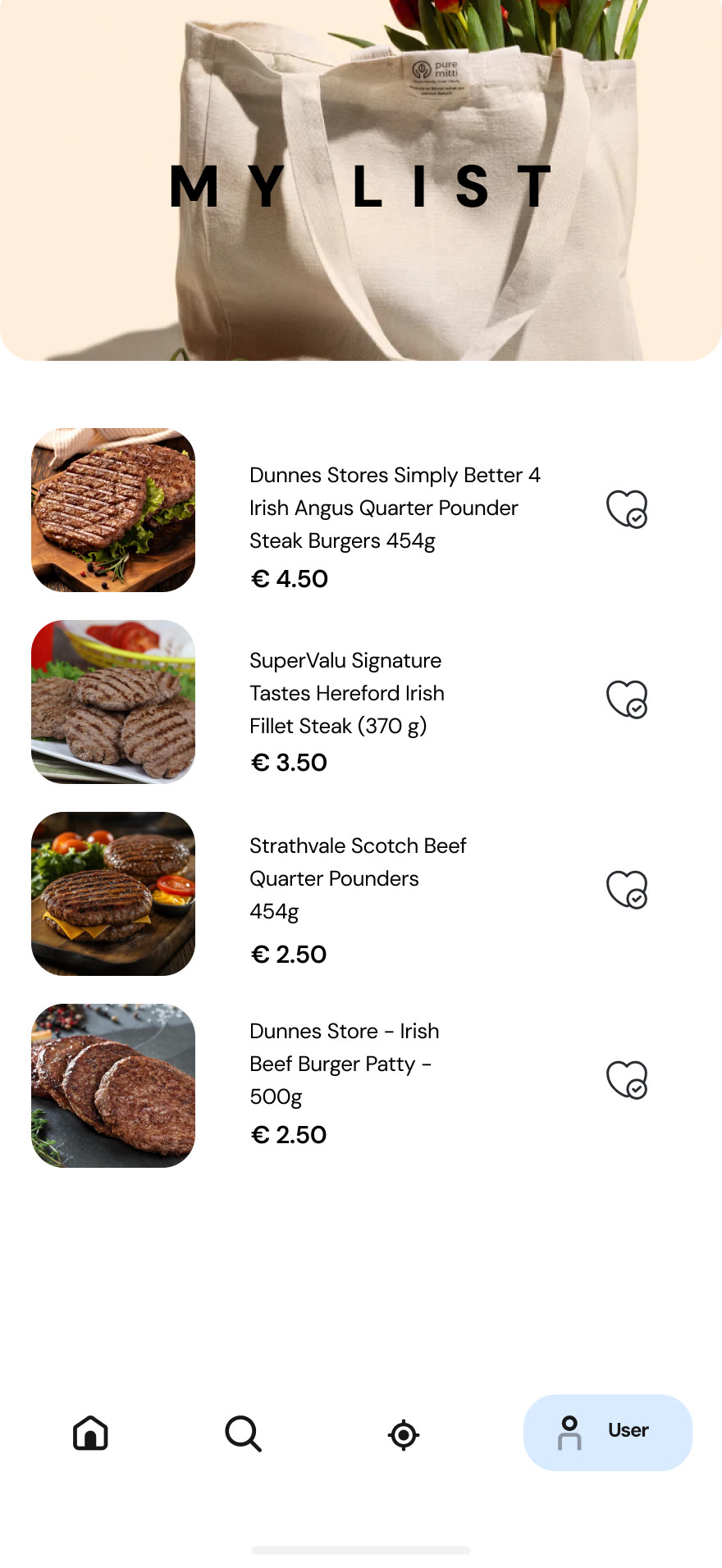
Checkout: Streamlined purchase summary with savings.
GoMend UI Design and Prototype
GoMend focuses on usability, clear interaction flow, and accessible visual structure.
Mood Tax: A Dystopian UI Design on Emotional Debt
Mood Tax is a speculative master's project that explores emotional debt through immersive UI storytelling and interactive flows.
AR/VR and Digital Twin
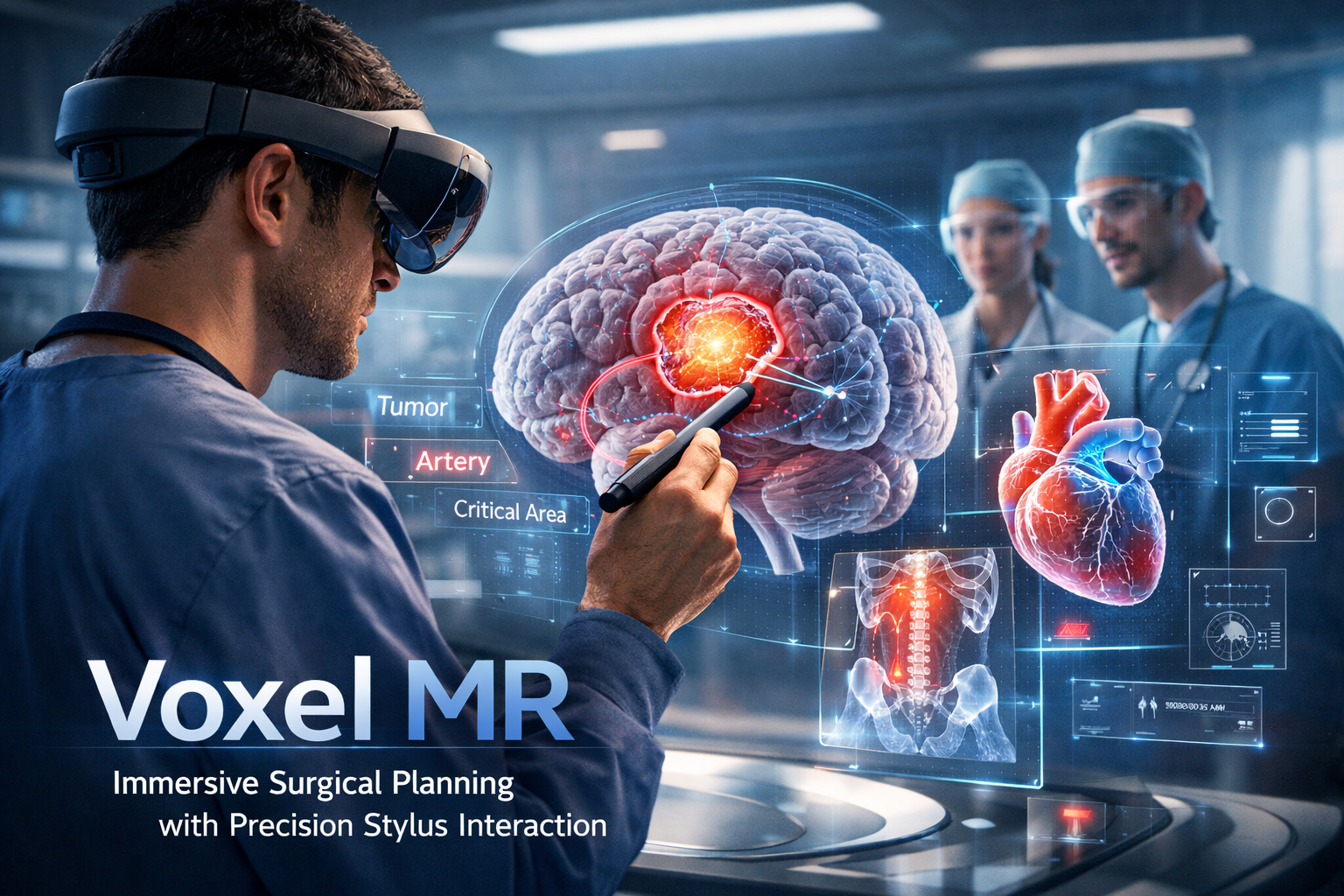
VoxelMR
Immersive Surgical Planning with Precision Stylus Interaction.
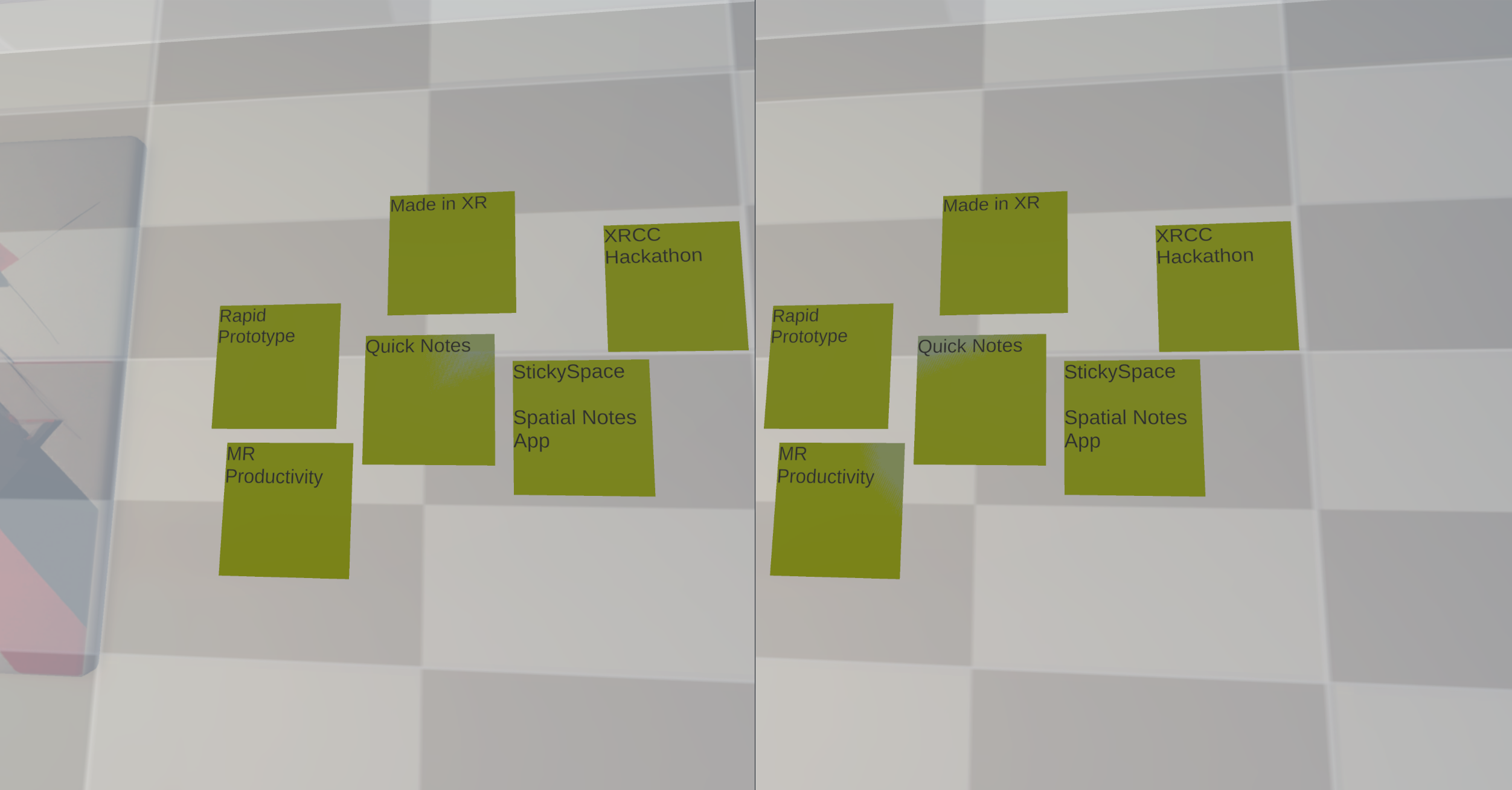
StickySpace
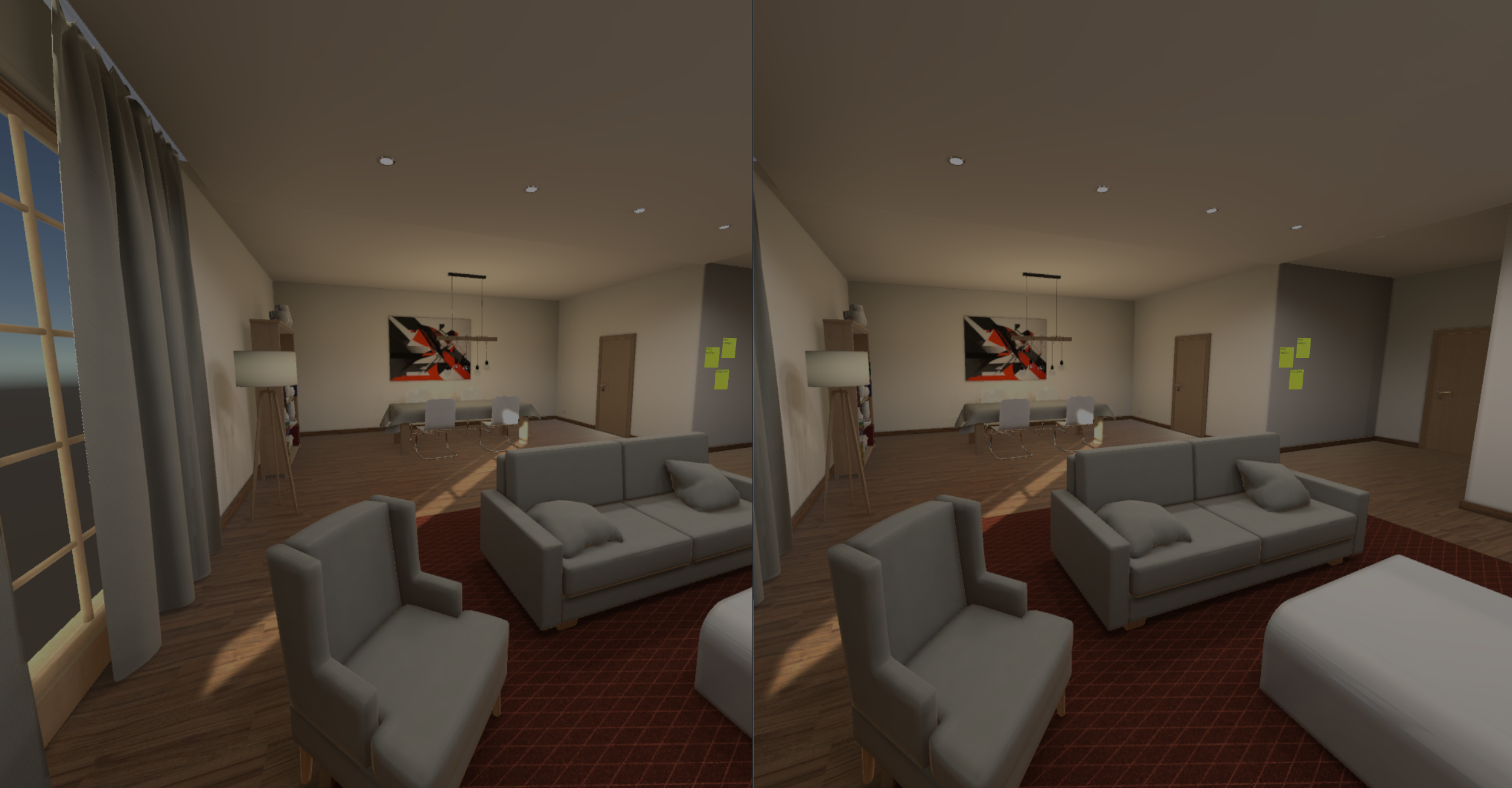
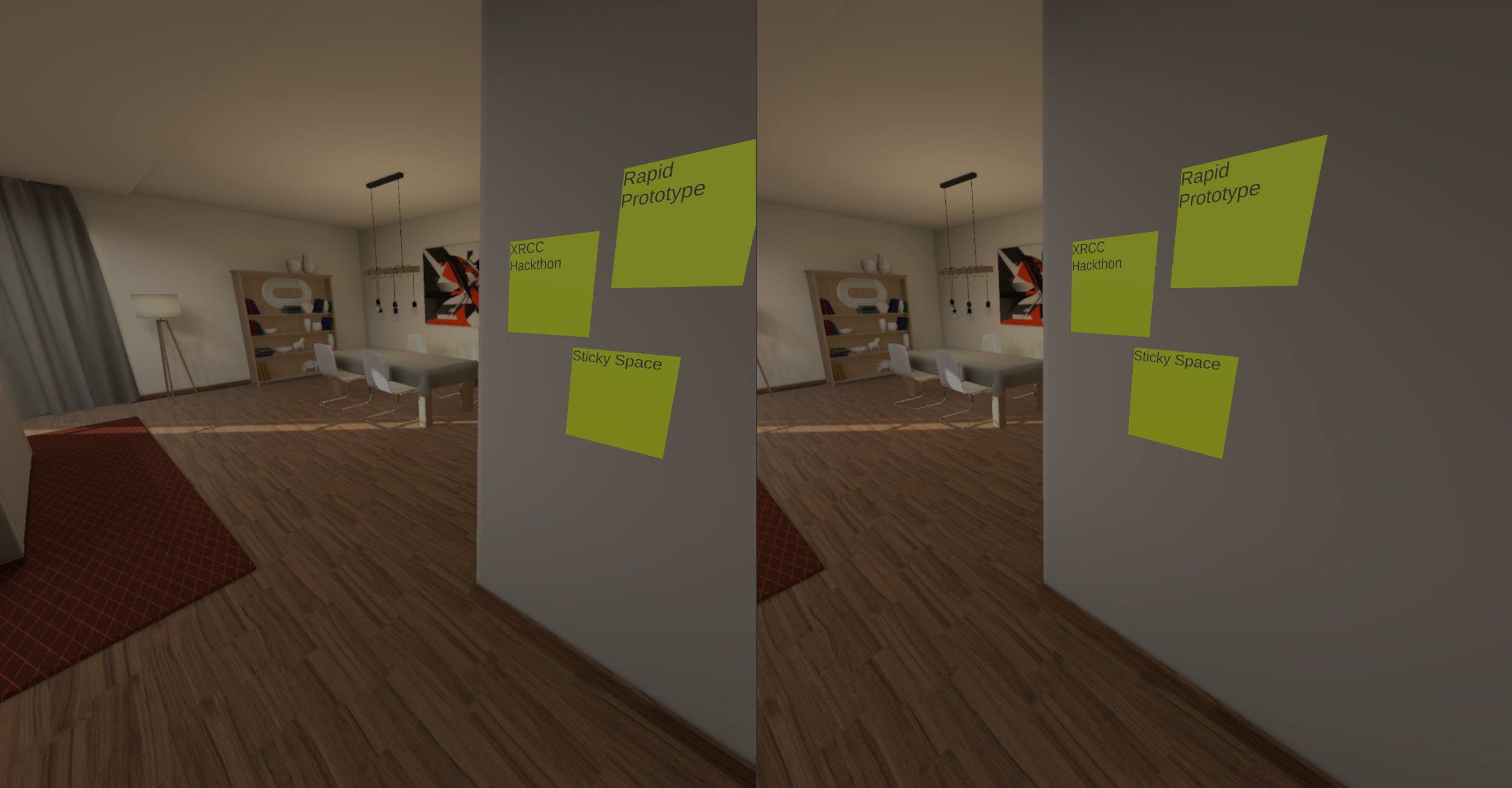
StickySpace lets you place virtual sticky notes on walls and surfaces in mixed reality, turning your surroundings into an interactive space for ideas.
Created for: XRCC Hackathon 2025 | Built with: Unity (C#), Meta SDK | Tested on: Meta XR Simulator | Style: Rapid prototyping
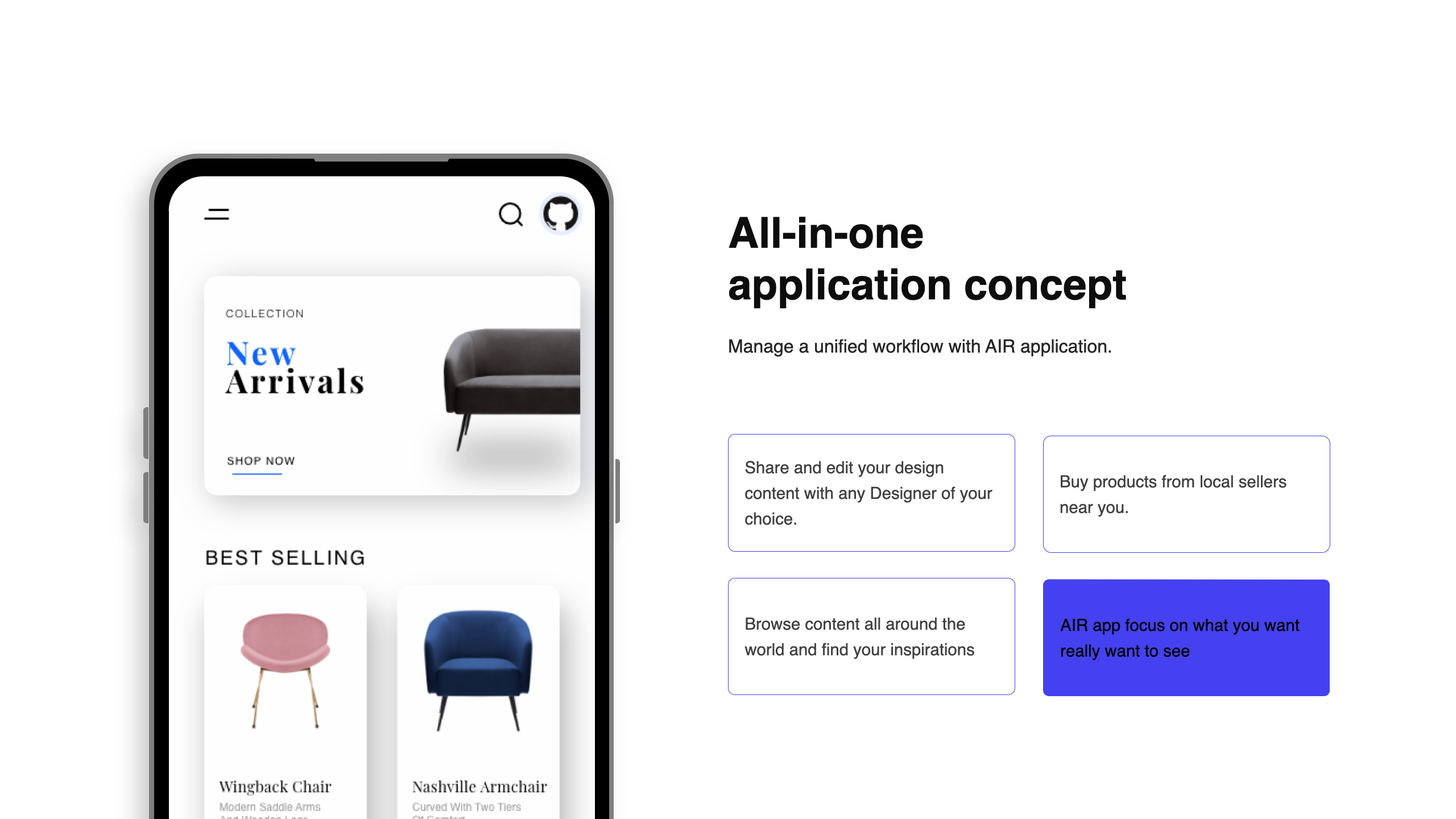
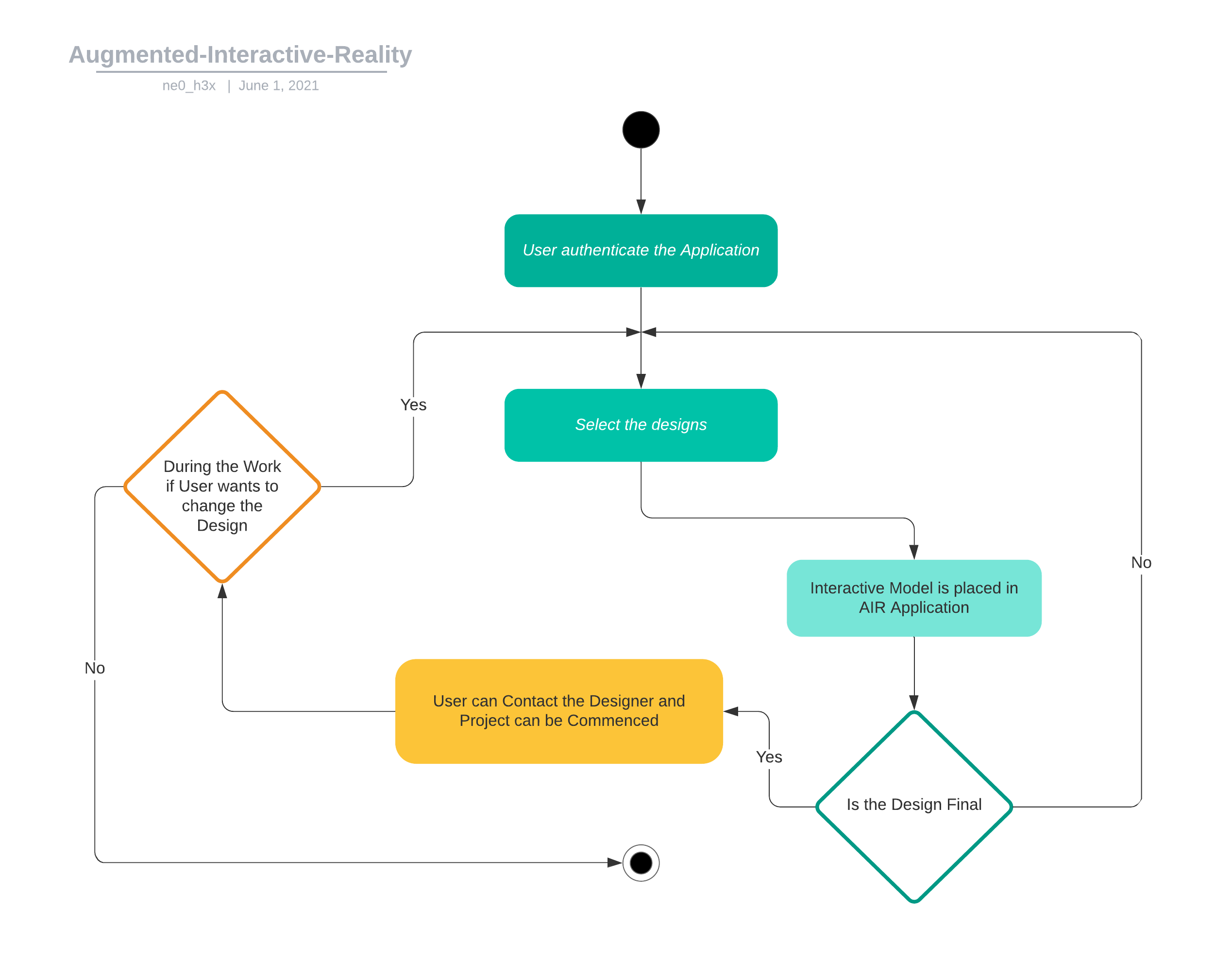
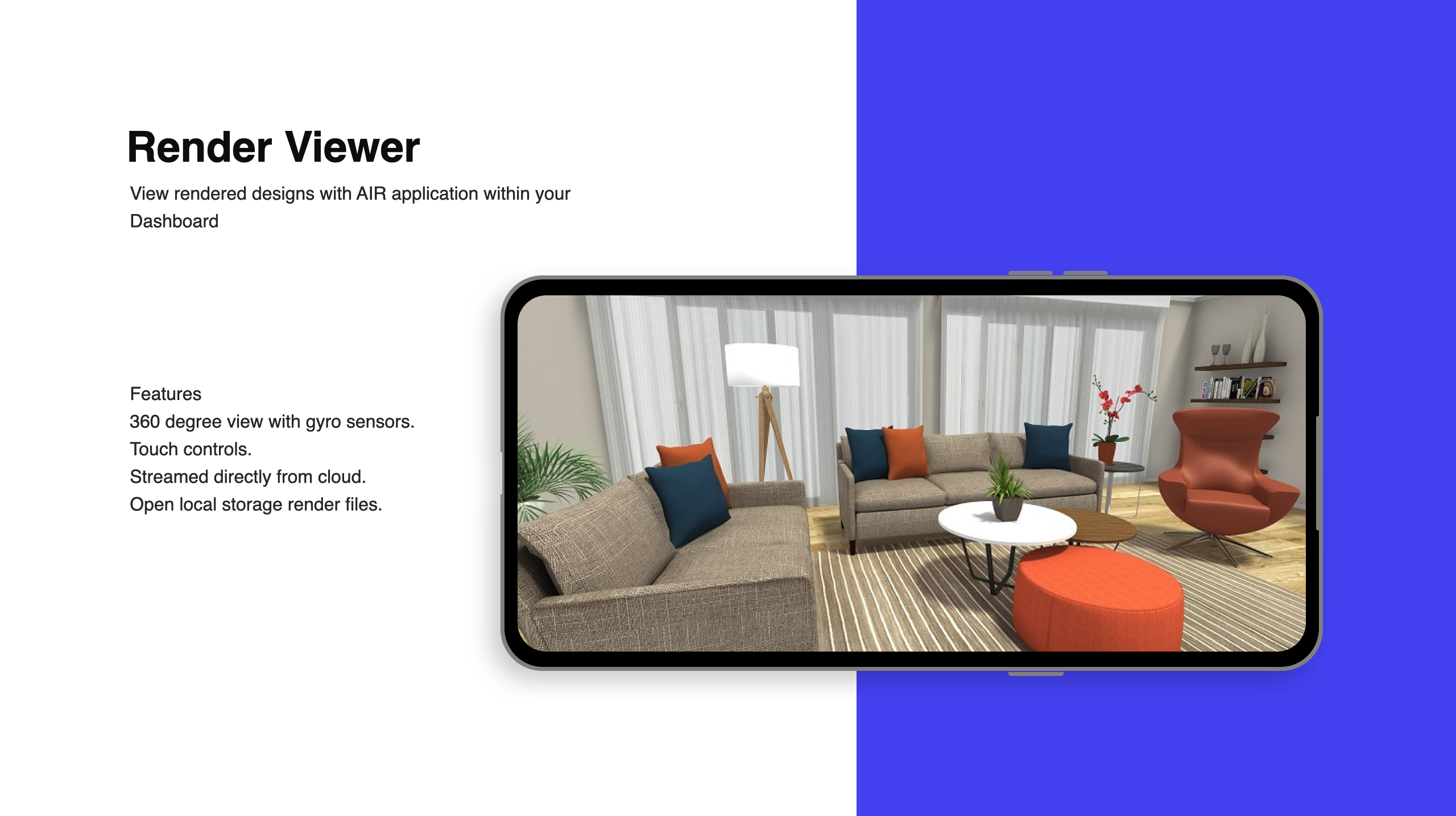
AIR – Augmented Interactive Reality
AIR is an Augmented Reality platform for designers, businesses, and users. It enhances natural environments with interactive digital overlays using AR cameras, object recognition, and smartphone applications. Our implementation focuses on interior design — giving users the ability to interactively arrange and visualise 3D furniture models in their real rooms through AR, bridging the gap between designers and clients.
Virtual Forklift - AR Collision Detection Prototype
Virtual Forklift is a 1:1 augmented reality prototype for visualizing forklift movement and testing collision risks in real spaces.
Virtual Forklift - AR Collision Detection Prototype (YouTube)
Digital Twin | IoT MQTT Server
MQTT-based IoT backend used to stream data into digital twin visualizations.
SFO Airport Digital Twin - TwinVerse Platform
This project implements a digital twin of San Francisco International Airport using TwinVerse with live data integration for simulation and analytics.
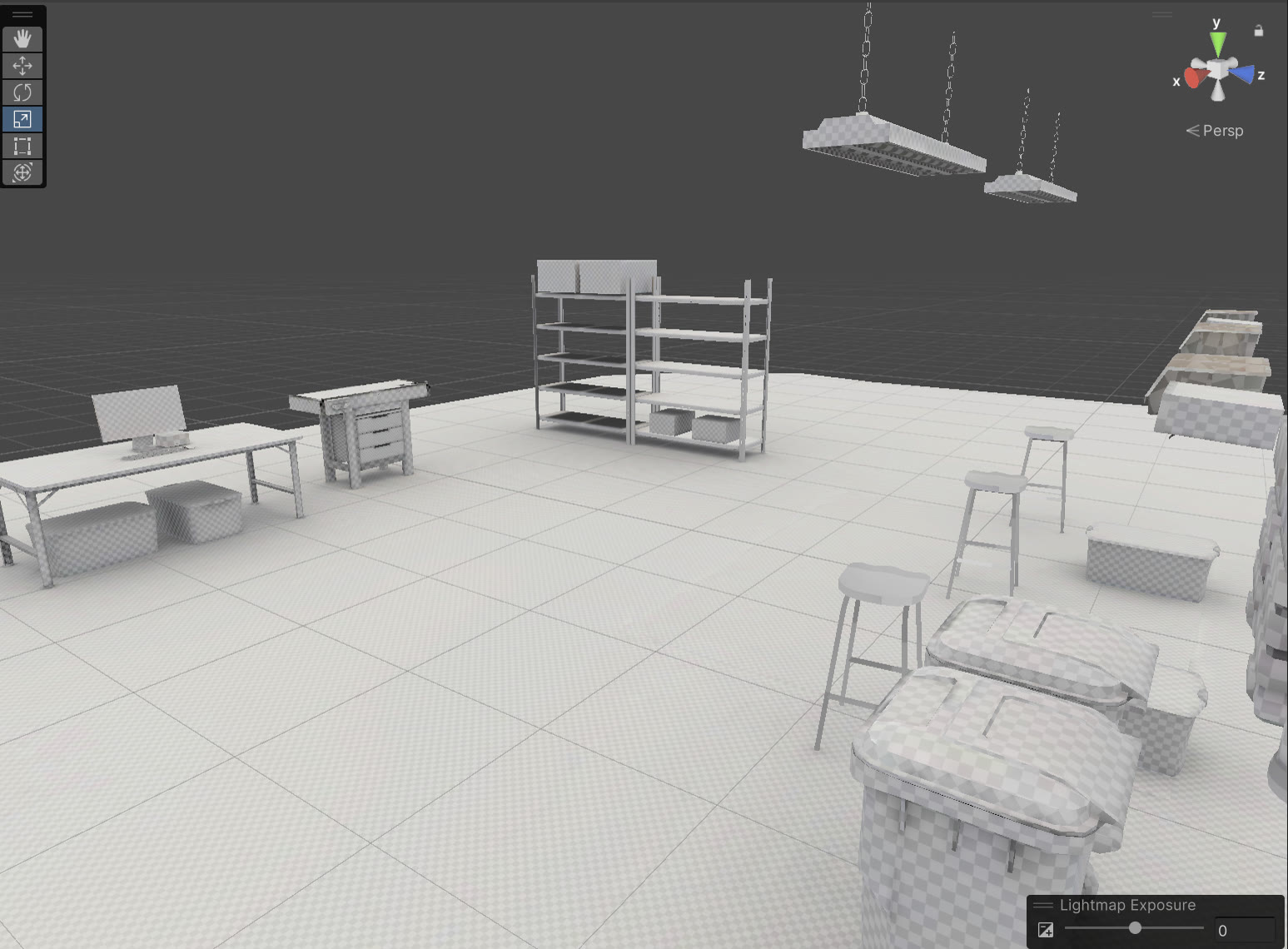
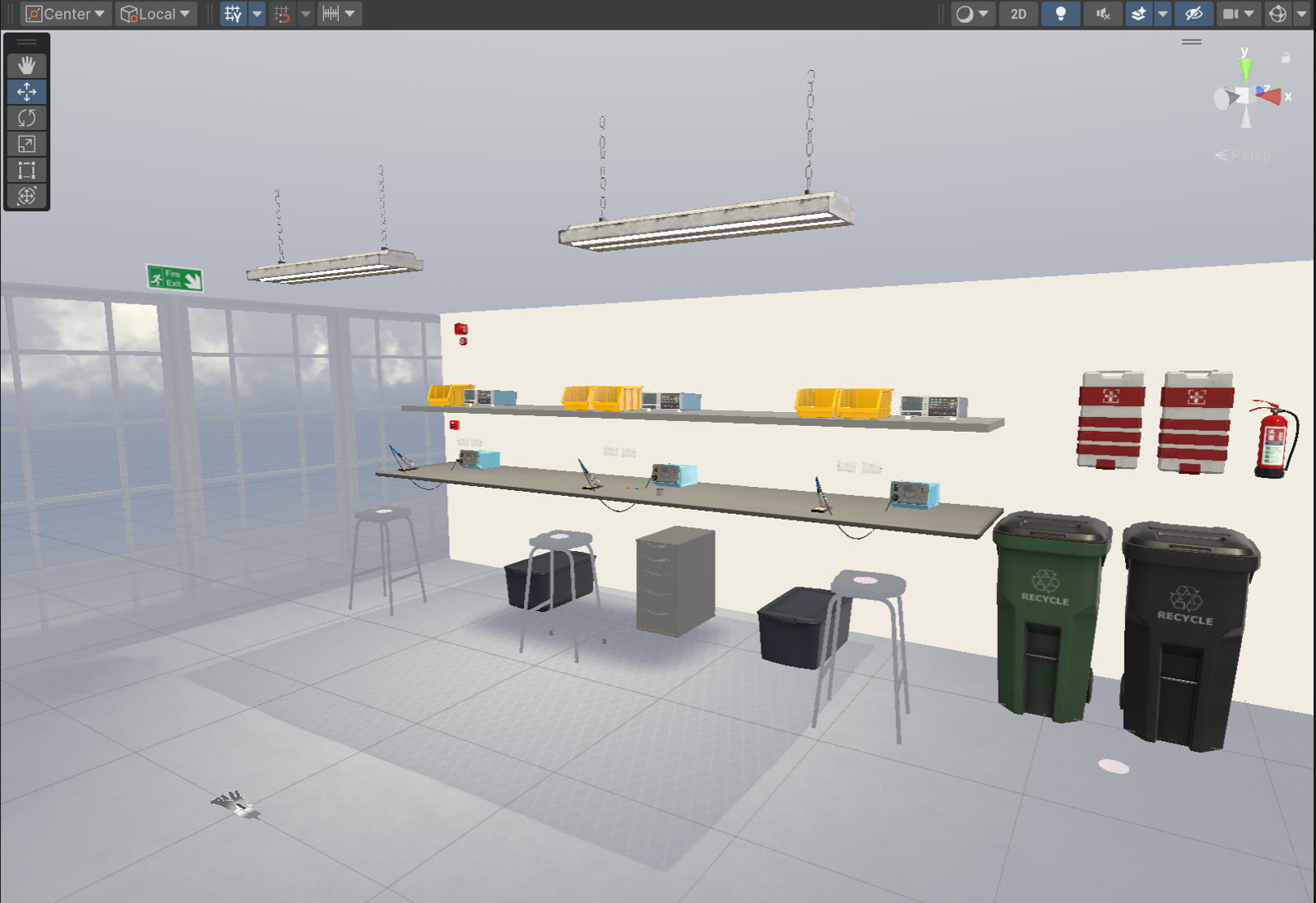
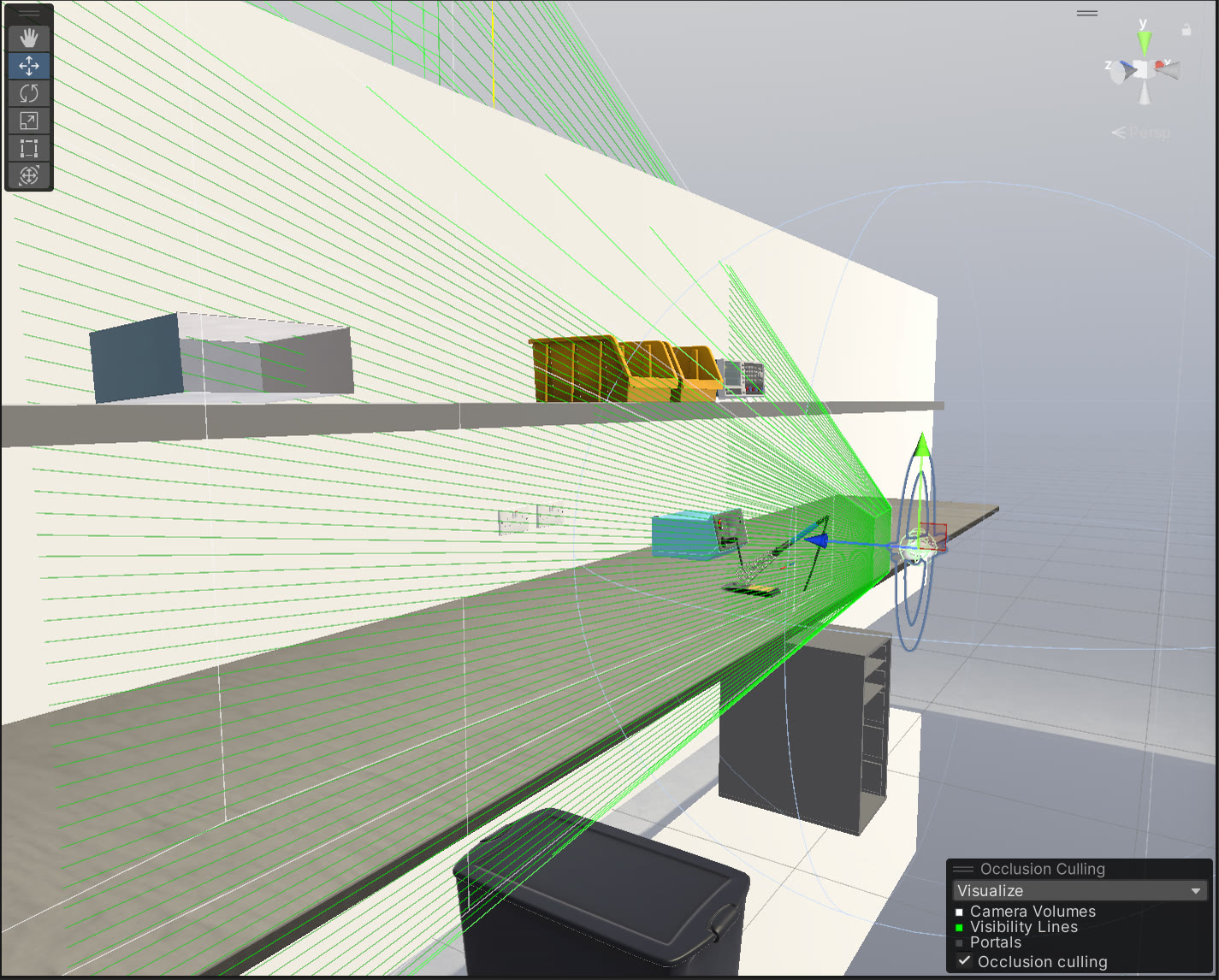
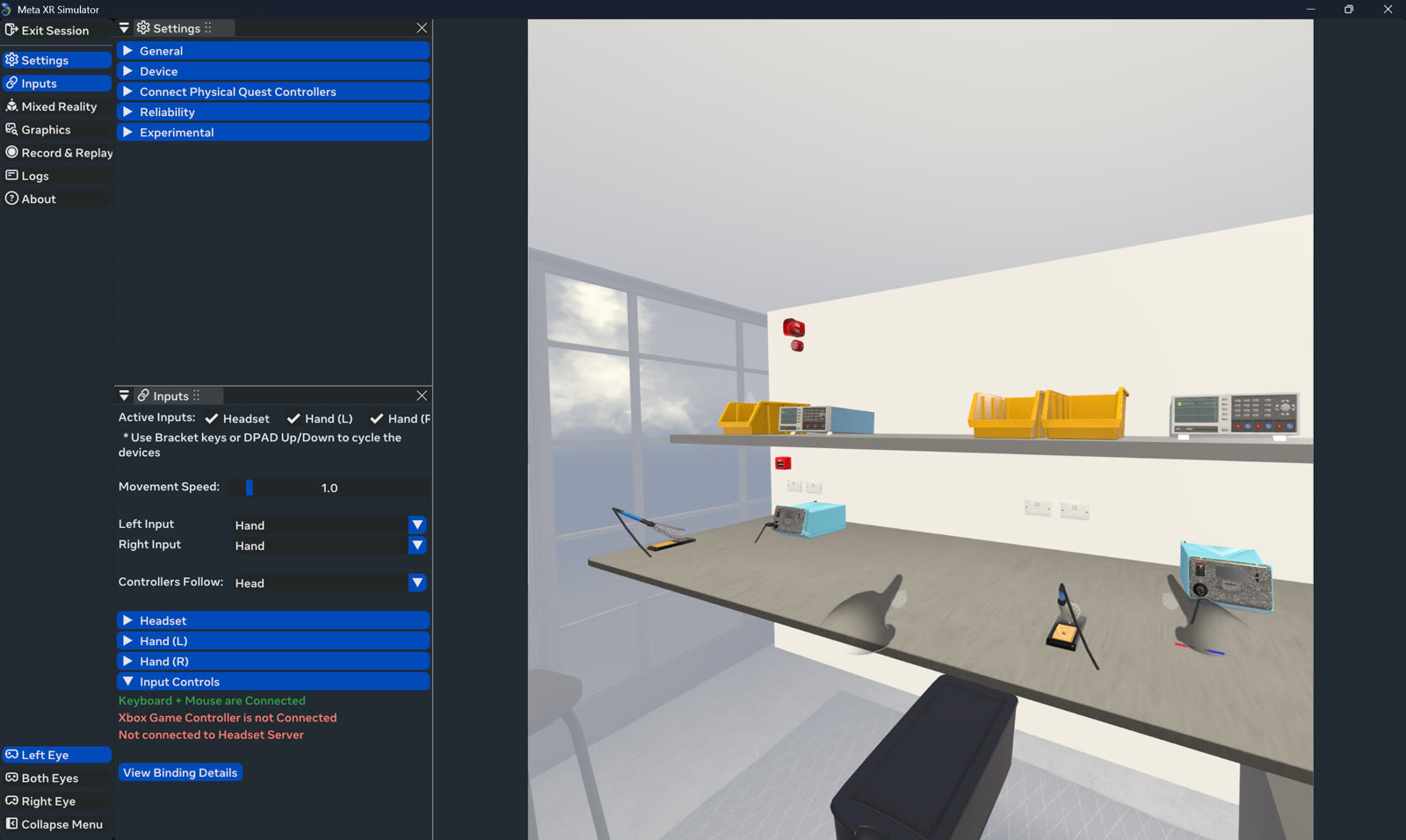
VR Soldering Training Simulator
Immersive training simulator designed to teach soldering procedures and safety in a virtual environment.
Abu Dhabi Digital Twin
Contribution to a city-scale digital twin with BIM integration, rendering improvements, and interactive sector-level navigation.
Media
Bellarom
Software and Tools
Spotify Coverflow
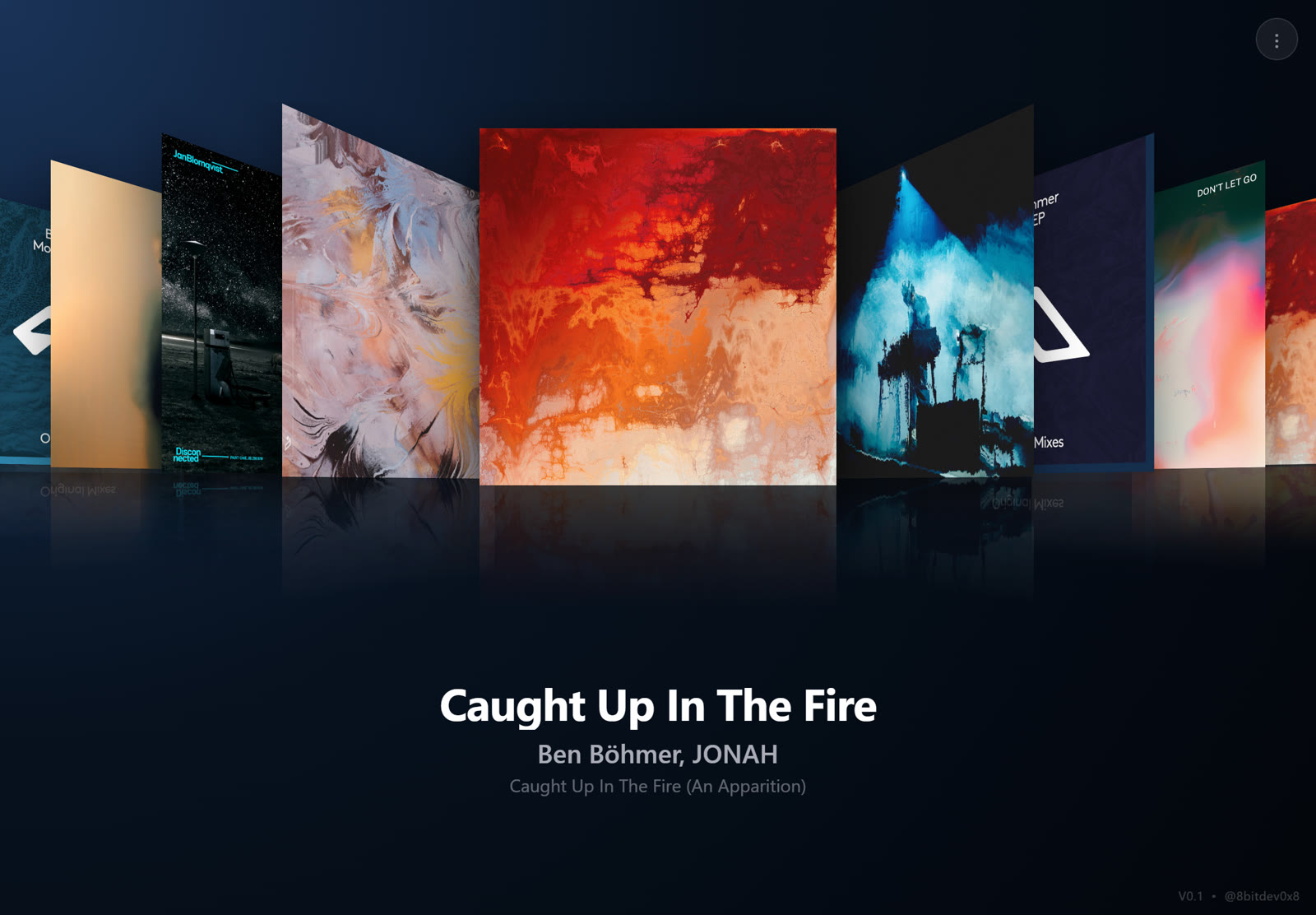
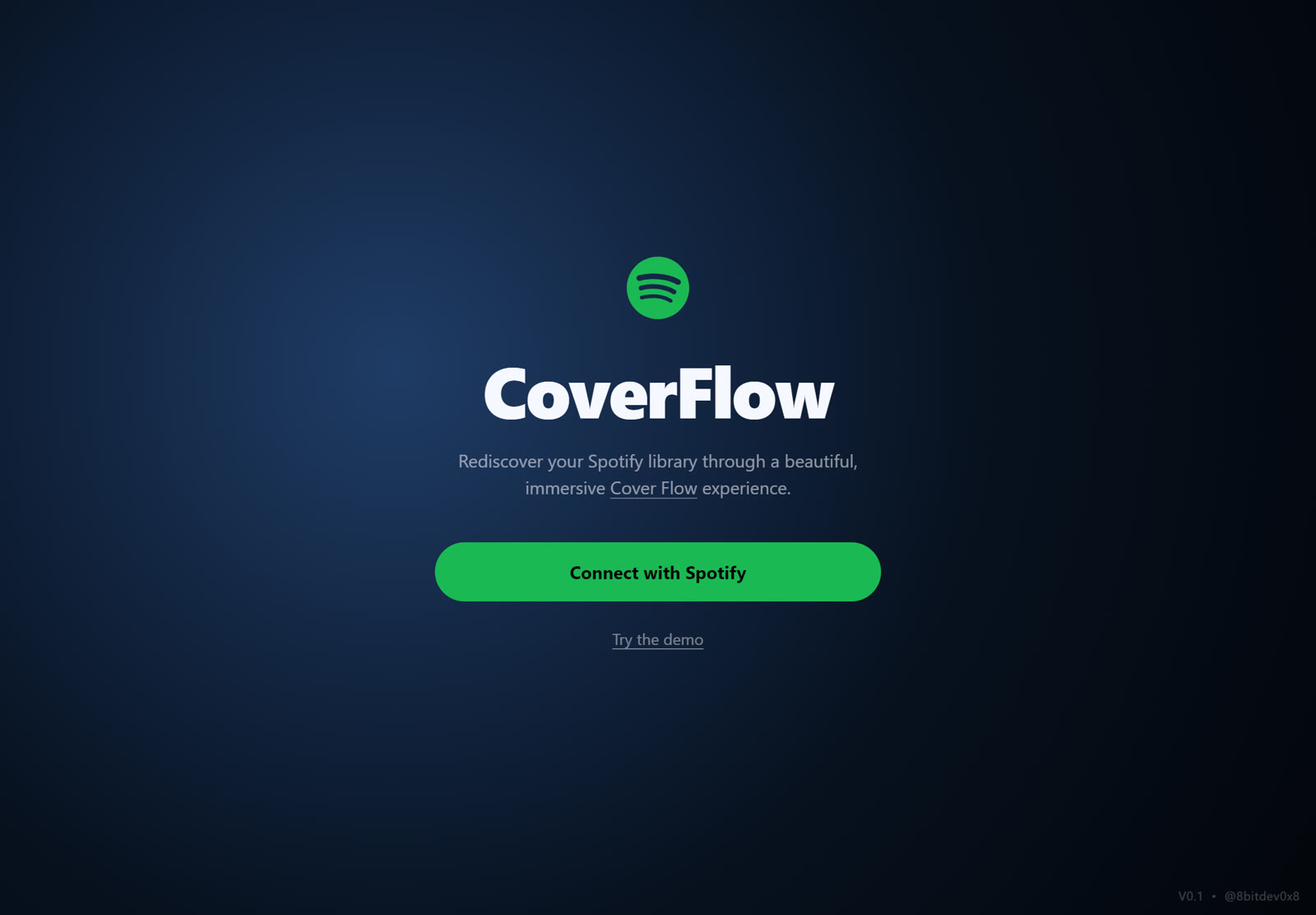
Spotify Coverflow revives Apple's iconic Cover Flow interface as a 3D album-art browser for Spotify. Flip through your liked tracks or any public playlist with the classic tilted-cover-and-reflection effect, with artwork front and center.
Built with: Vanilla HTML, CSS, JavaScript — no frameworks, no build step | Focus: Visual music browsing via the Spotify Web API
MDM Simulator
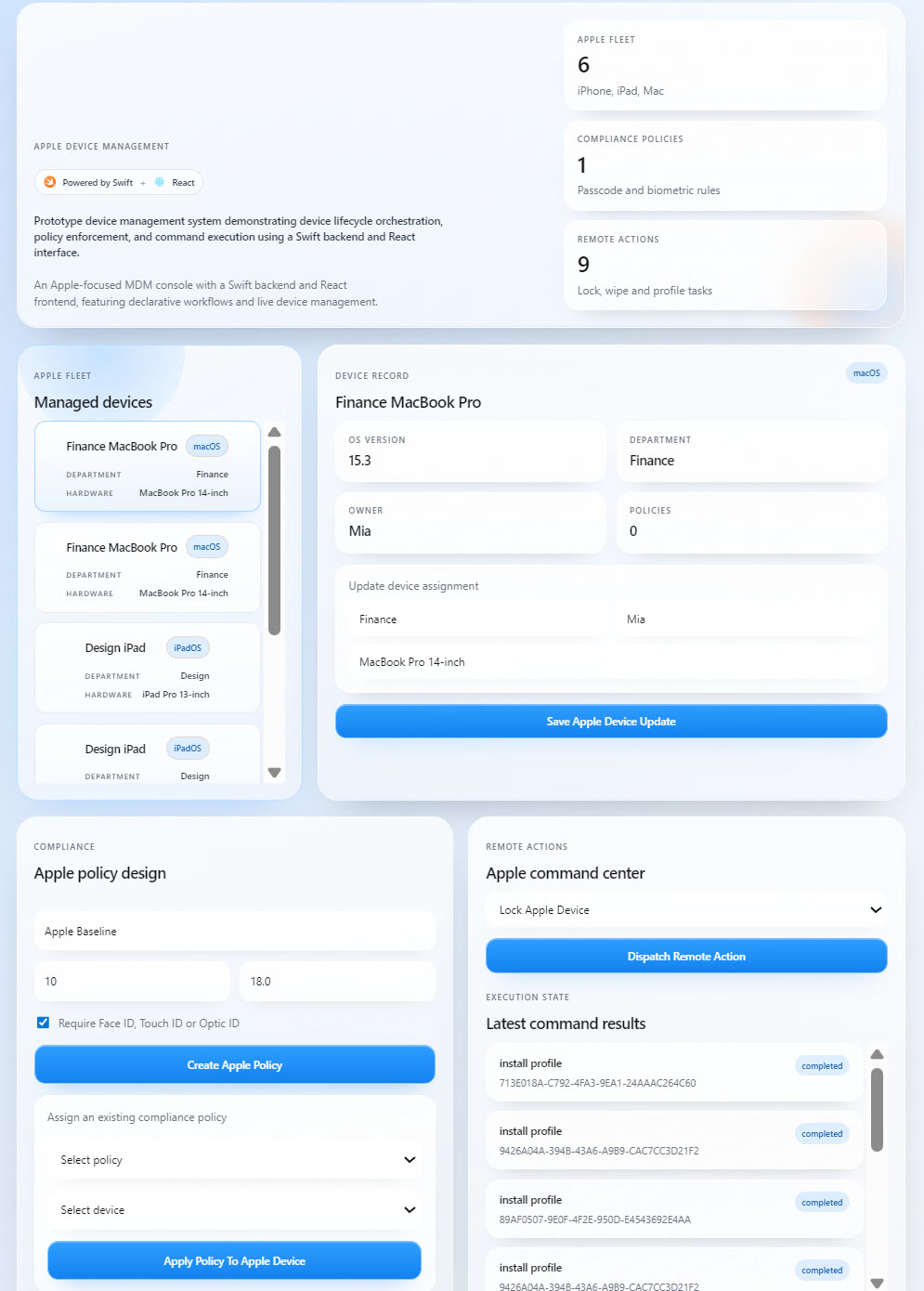
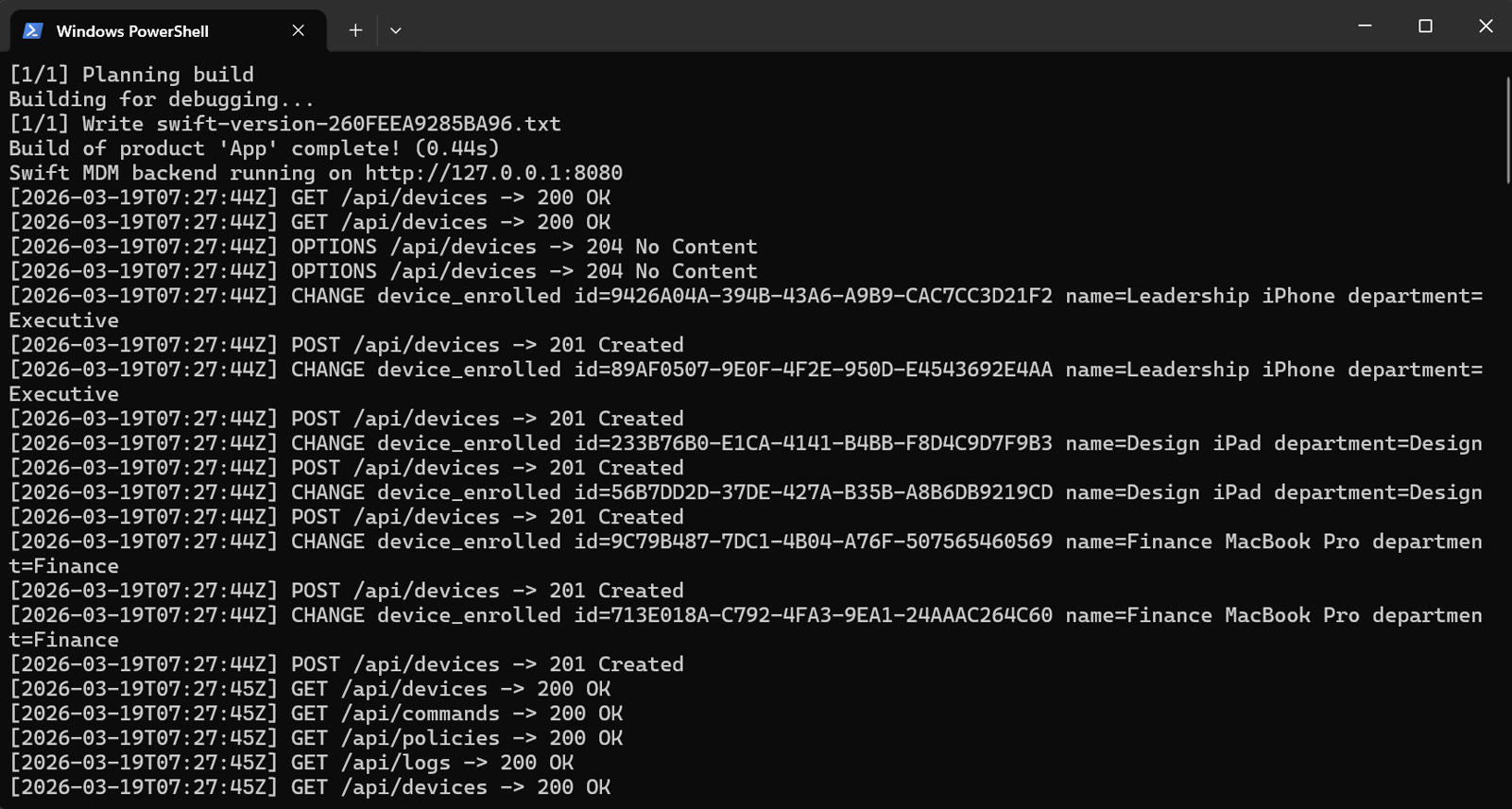
MDM Simulator is an Apple-focused mobile device management prototype built to demonstrate device lifecycle orchestration, policy enforcement, remote command execution, and operational logging in a clean admin workflow.
Built with: Swift backend, React, Vite, REST + JSON | Focus: Apple fleet operations, policy assignment, and command dispatch
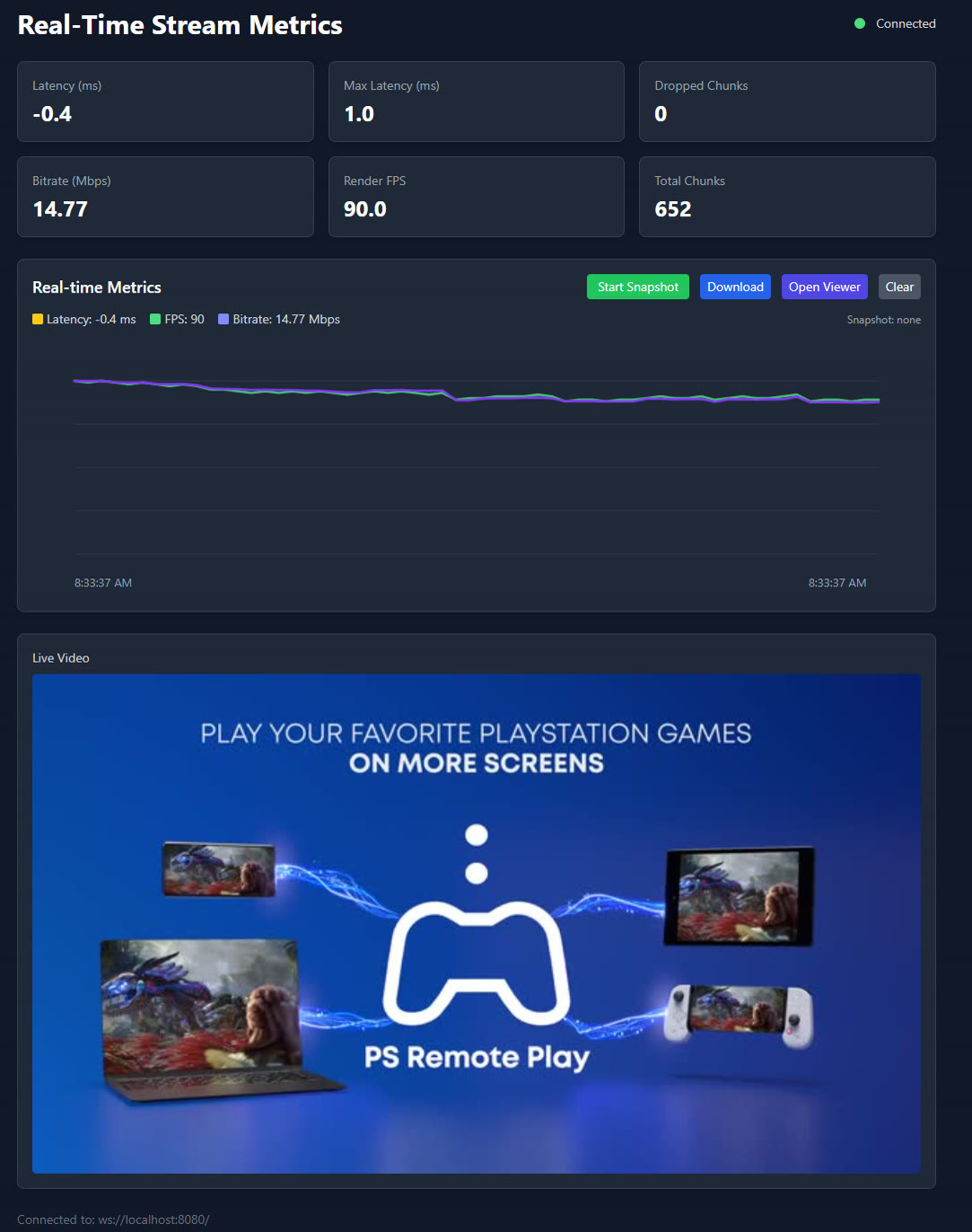
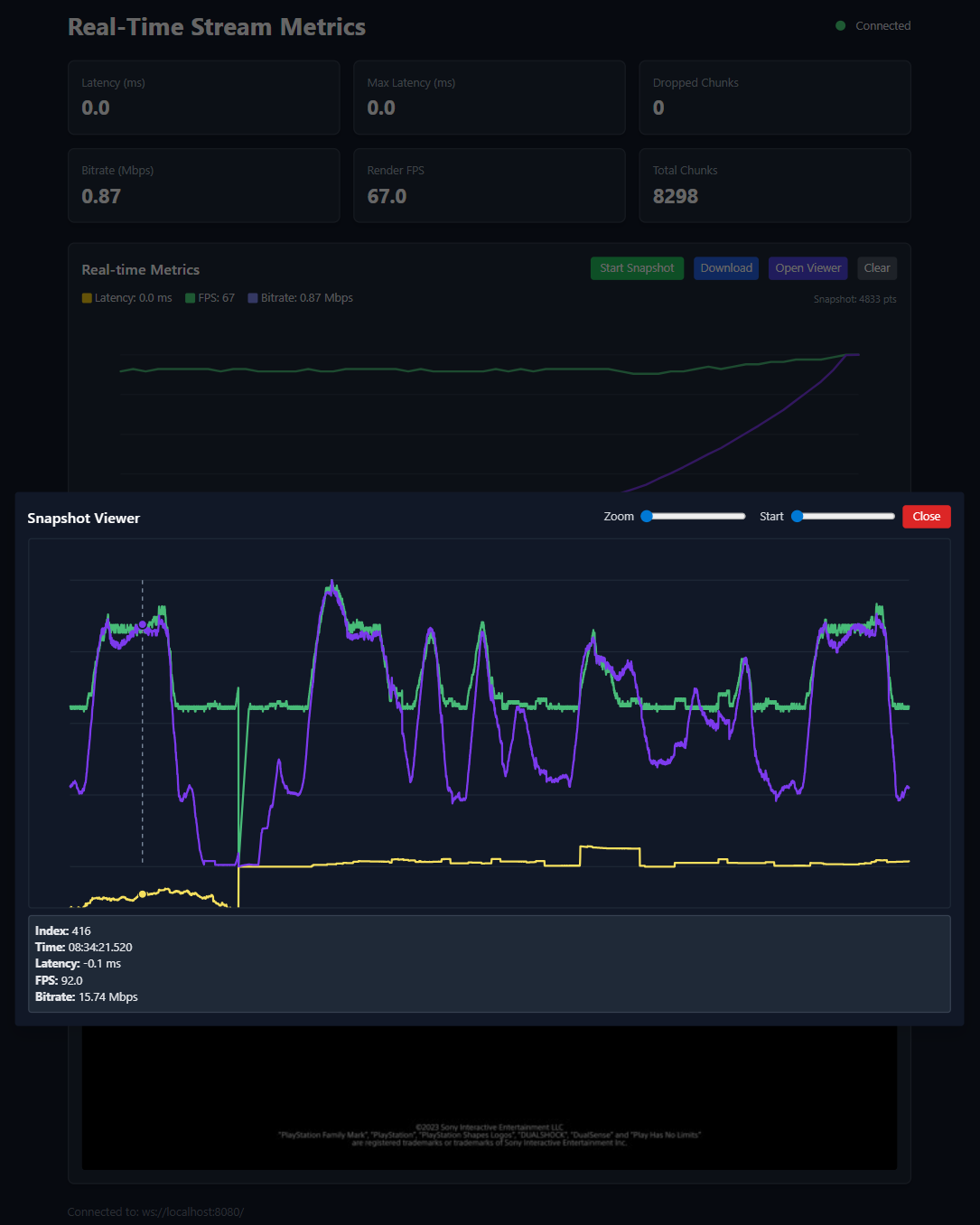
H.264 Video Streamer & Analytics Dashboard
A custom C# H.264 video streamer that encodes and sends chunks over TCP while simulating real-world network conditions — packet loss, jitter, latency, and bandwidth limits. Paired with a React-based analytics dashboard featuring real-time metrics, timeline views, and visual insights into throughput, jitter, and overall stream health.
Understanding how video behaves under unstable or constrained networks is essential for products relying on high-fidelity, low-latency video — from remote rendering and digital twins to mobile 3D and interactive media tools.
Hafnia Video Event Analyzer
Selected as a finalist at the Milestone Developer Summit hackathon in Copenhagen, featured in Milestone Systems' official press release. The event brought together innovators from 15 countries building on Milestone's emerging Vision-Language Model powered by NVIDIA Cosmos-Reason and fine-tuned with domain-rich data from Project Hafnia.
The project used Hafnia's massive real-world video library and the VLM API to analyze video, generate semantic metadata, and enable advanced search and summarization — demonstrating how domain-specific VLMs can transform video understanding and build safer, smarter video intelligence.